
A House in the Rift
Play A House in the Rift
A House in the Rift Screenshots


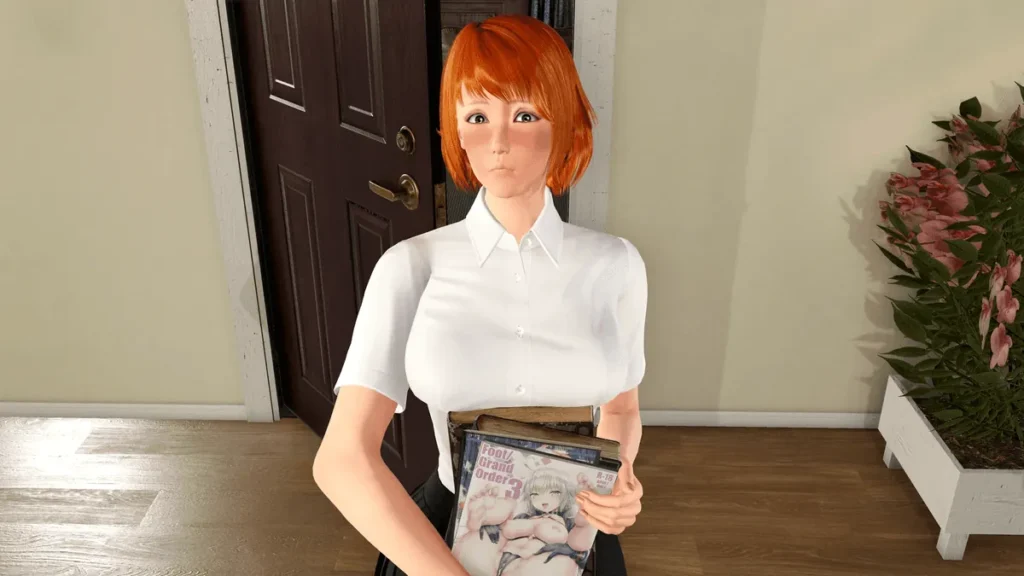







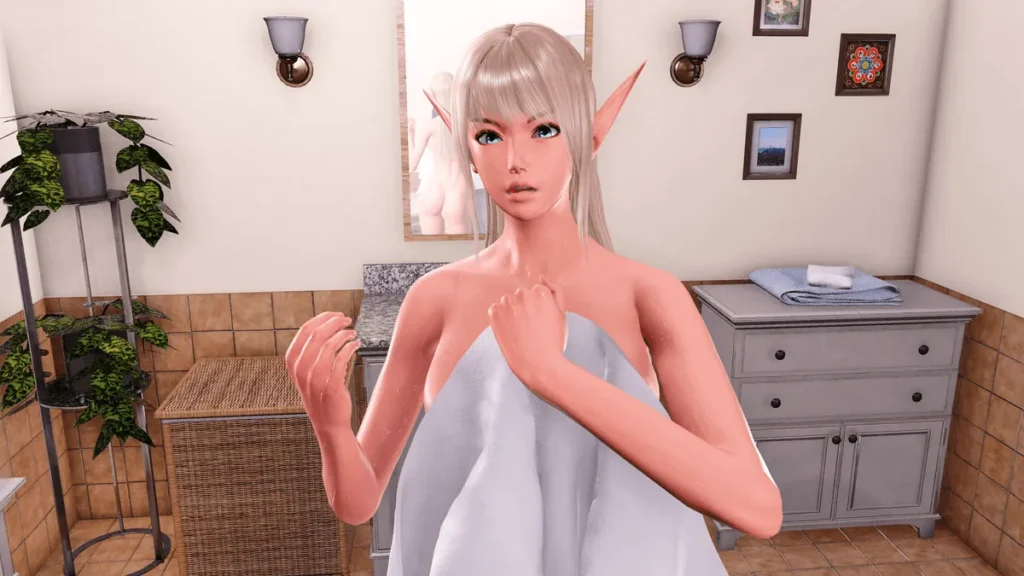

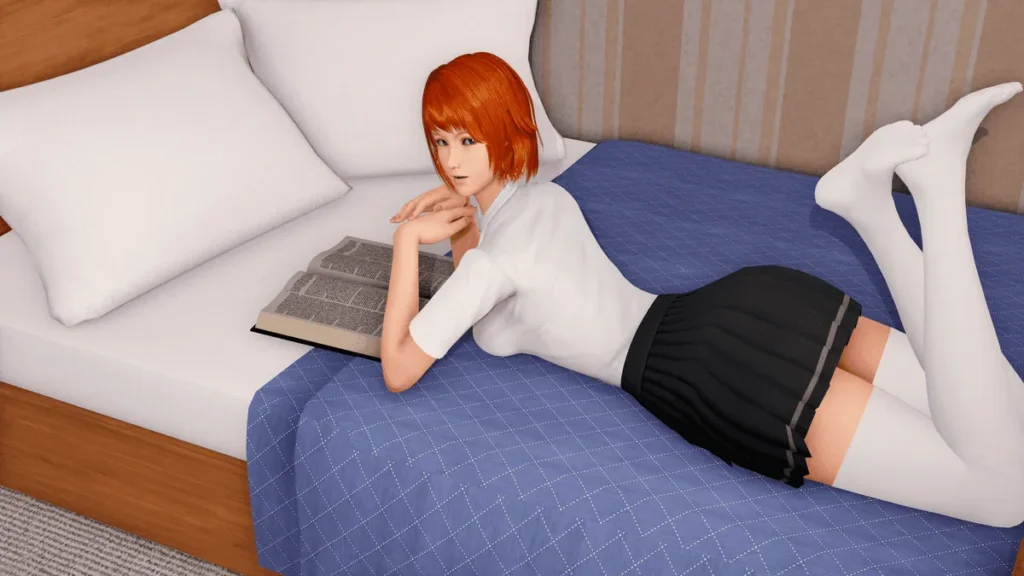




A House in the Rift review
Discover the Cozy World, Characters, and Intimate Adventures
Imagine stumbling into a mysterious rift that pulls you into a house filled with captivating women from different worlds. That’s the heart of A House in the Rift, a visual novel game that blends cozy daily life with intimate moments and deep storytelling. I’ve spent countless hours exploring its warm family-like atmosphere, cuddling up with characters like Rae and Cait, and unraveling the enigmatic plot. Whether you’re new or returning, this guide dives into what makes this game stand out—real emotions, believable interactions, and a sandbox freedom that feels genuinely immersive. Let’s step through the rift together and uncover its secrets.
What Makes A House in the Rift So Addictive?
I remember the first time I booted up A House in the Rift. I was expecting, well, a rift—some grand, chaotic portal to another dimension full of monsters and epic battles. What I got instead was the soft glow of a living room lamp, the quiet hum of a refrigerator, and a strange, wonderful sense of coming home. 🏡 It wasn’t a dungeon I’d walked into; it was a shared space, immediately charged with a warm, family-like vibe that was both puzzling and deeply comforting. That’s the game’s first and greatest magic trick. It doesn’t grab you with explosive action; it seduces you with the quiet promise of connection, making the question of why play A House in the Rift an easy one to answer: because it feels real.
This cozy visual novel masterpiece hooks you not with quest markers to distant lands, but with a quest log reminding you to check on the girl in the garden or see if someone needs a hug. Let’s dive into what makes this sandbox daily life game so incredibly hard to put down.
Why the Cozy Daily Life Hooks You In
The core loop of A House in the Rift gameplay is deceptively simple, and that’s its brilliance. You wake up. You check your phone-like device for messages and a quest log that gently guides your social priorities. You use a map to navigate the house and its grounds—the kitchen, the living room, the bedrooms, the hot spring. Time progresses from morning to noon to evening and night, and each character has their own rhythm and preferred locations throughout the day.
This isn’t about managing stats for combat; it’s about managing your emotional and social bandwidth. Your “resources” are attention, care, and presence. Do you spend the afternoon helping Lyra with her magical research in the library, or do you join Rae for some aggressive, sweat-breaking training in the yard? Do you cook a meal to share, or simply sit on the couch and see who joins you? This sandbox daily life game structure gives you profound freedom within a domestic setting. You’re not saving the world; you’re building a home, one small, tender interaction at a time.
The addiction comes from the payoff of these routines. As you learn their schedules—that Zen is often painting in the studio in the afternoon, that Ella might be stargazing at night—you start to anticipate these moments. You seek them out not because a log tells you to, but because you want to. The game cultivates a player-driven desire for companionship. Here are some of the top cozy features that make this daily life so compelling:
- Hugging and Cuddling: These aren’t just animations; they are context-sensitive responses to a character’s mood. Offering a hug when someone is down feels like a genuine emotional intervention.
- Shared Meals: Cooking and eating together is a cornerstone of family life, and the game nails this feeling of shared comfort and normalcy.
- Movie Nights: Sitting together on the couch, choosing a film, and sharing quiet (or not-so-quiet) commentary is a slice of pure, relatable domestic bliss.
- Naked Sleeping for Comfort: The game handles intimacy with a startling nuance. Characters might seek or offer the simple comfort of skin-to-skin contact while sleeping, emphasizing trust and safety over pure titillation.
- Hot Spring Visits: The communal bath is a place for relaxed, unfiltered conversation, deepening bonds in a serene environment.
This is the heart of the A House in the Rift appeal. It replaces the adrenaline of a level-up with the warm serotonin hit of making someone smile. You’re not grinding for better loot; you’re investing in better, more meaningful emotional character interactions.
Unpacking the Mysterious Story and World-Building
But let’s be clear: this house isn’t in a suburban neighborhood. It’s adrift in a magical, mysterious space known as the Rift. And this is where the A House in the Rift story elevates itself from being merely cozy to being genuinely captivating. Each woman—Zen, Lyra, Rae, and Ella—has been pulled from her own completely distinct world: a futuristic dystopia, a high-fantasy realm, a savage tribal land, and a world of cosmic horror. They are not archetypes; they are refugees.
The world-building avoids lazy, generic tropes by making the characters’ pasts and cultures integral to their personalities and conflicts. Lyra isn’t just “the elf mage”; she’s a scholar severed from the source of her magic, dealing with profound academic and existential shock. Rae isn’t just “the warrior”; she’s a hunter from a harsh, survivalist culture struggling to understand concepts like leisure and softness. Their dialogues aren’t just flirty banter; they are conversations about loss, adaptation, fear, and hope. You learn about their worlds through their memories, their nightmares, and their small moments of cultural confusion.
The mystery of the Rift itself is a slow-burn engine in the background. Why are they here? Who or what pulled them? What is the true nature of this pocket dimension they call home? The game doles out clues sparingly, often through magical experiments gone awry or strange phenomena in the house itself. This balance is perfect. The looming mystery provides a compelling reason to keep progressing (unlocking new areas of the house often ties into story revelations), while the daily life provides the emotional grounding. You care about solving the mystery because you care about the people it affects.
This creates a unique texture. One moment you’re discussing the ethics of magic from another dimension, and the next, you’re debating what to make for dinner. It makes the A House in the Rift gameplay feel weighty and significant, even in its quietest moments. You’re not just passing time; you’re helping these displaced souls build a new foundation, making their personal journeys the core of the A House in the Rift story.
Intimate Moments That Feel Real and Emotional
Now, let’s talk about the element that truly sets this intimate moments game apart from its peers: its breathtaking commitment to emotional authenticity. In many games, intimacy feels like a checkbox on a completionist’s list—a reward for accumulating enough points. In A House in the Rift, intimacy feels like a natural, sometimes fragile, progression of a relationship.
The game masterfully separates sensuality from sexuality. Moments of deep vulnerability—like simply holding someone as they sleep, or a long, silent hug after a difficult day—carry as much, if not more, emotional weight as more explicitly sensual scenes. The physicality is often framed as a language of comfort, trust, and healing. When characters seek closeness, it usually stems from an emotional need clearly established through the story, not just a player’s choice from a menu.
This extends to the game’s approach to more kink-friendly content, which is woven into character identity rather than slapped on as a generic feature. For instance, Rae’s dominant, physical nature from her tribal background naturally expresses itself in scenes that might involve facesitting or a more aggressive dynamic, and it feels like an authentic part of her. With Lyra, moments might explore themes of magical corruption or a more submissive, service-oriented love that aligns with her scholarly devotion. The variety is character-specific, making each relationship path feel uniquely tailored and believable.
This authenticity resonates deeply with players. One fan perfectly captured the sentiment I’ve seen echoed everywhere:
“After playing so many games where the romance feels like a comedy sketch, finding A House in the Rift was a shock. The conversations have weight. The silence has meaning. When a character is upset, you feel it. It’s not just ‘drama’—it’s real. It’s the first game where ‘I’m going to go see how she’s doing’ is my primary motivation.”
This is the ultimate success of its design. It makes you care, genuinely, which transforms every intimate moments game scenario from a scene you watch into an experience you feel.
To help you navigate this beautiful, complex web of daily life and deepening relationships, here’s a practical guide to the core A House in the Rift gameplay loop:
| Time of Day | Typical Activities & Focus | Player Action Tip |
|---|---|---|
| Morning | Characters waking up, having breakfast, planning their day. A calm, social time. | Check the kitchen and living room. A shared morning coffee is a great way to start the day with someone. |
| Afternoon | Pursuing personal hobbies or projects. The most varied and active period. | **Always check your quest log.** It will hint at where a character is and what they might need. Use the map to find them. |
| Evening | Winding down, shared dinners, relaxing in communal spaces like the living room or hot spring. | This is prime time for group activities or deepening one-on-one conversations in a relaxed setting. |
| Night | Private time, introspection, sleep. The most intimate and vulnerable period. | Checking bedrooms can lead to tender moments. Characters may be restless or seeking comfort. |
And for understanding how different interactions serve the relationship:
| Interaction Type | Primary Purpose | Example in-game |
|---|---|---|
| Daily Dialogue | Building familiarity, understanding character mood and daily thoughts. | Asking about their day, commenting on their hobby. |
| Quest-Driven Events | Advancing personal storylines and resolving emotional conflicts. | Helping Lyra with a risky magical experiment to recover her past. |
| Comfort Actions (Hug, Cuddle) | Providing immediate emotional support and reinforcing bonds. | Offering a hug when a character is visibly sad or anxious. |
| Private, Intimate Moments | Exploring physical and emotional closeness, fulfilling character-specific needs and desires. | A long, quiet night together that may involve conversation, comfort, or sensual exploration unique to that character. |
My personal insight? A House in the Rift is superior because it respects both its characters and its player. It doesn’t treat intimacy as a prize, but as a dialogue. It understands that a heartfelt conversation can be as climactic as any boss fight, and that building a shelf together can be as important as finding a legendary weapon.
So, if you’re wondering why play A House in the Rift, my final, actionable advice is this: dive in with the intention to listen, not just to win. Talk to everyone, every day. Check that quest log religiously to see who might need you. Use the map to learn the rhythms of your strange, wonderful new family. Be present. The house isn’t just a setting; it’s a character itself, and the relationships you build within its walls are the real, unforgettable adventure. This cozy visual novel isn’t just played; it’s lived. And once you start living it, you’ll find it’s very, very hard to leave. 💖
Diving into A House in the Rift transformed my gaming nights into cozy escapes with characters that feel alive and moments that linger. From the heartfelt daily interactions to the thrill of unlocking deeper bonds and mods, it’s a game that balances warmth and excitement perfectly. Whether you’re hugging under the stars or exploring new dreams, it delivers real emotion in a sandbox world. Grab the latest version, cozy up with Rae or Cait, and let the rift pull you in—your next favorite adventure awaits right now.