
Onhold A Shot in the Dark
Play Onhold A Shot in the Dark
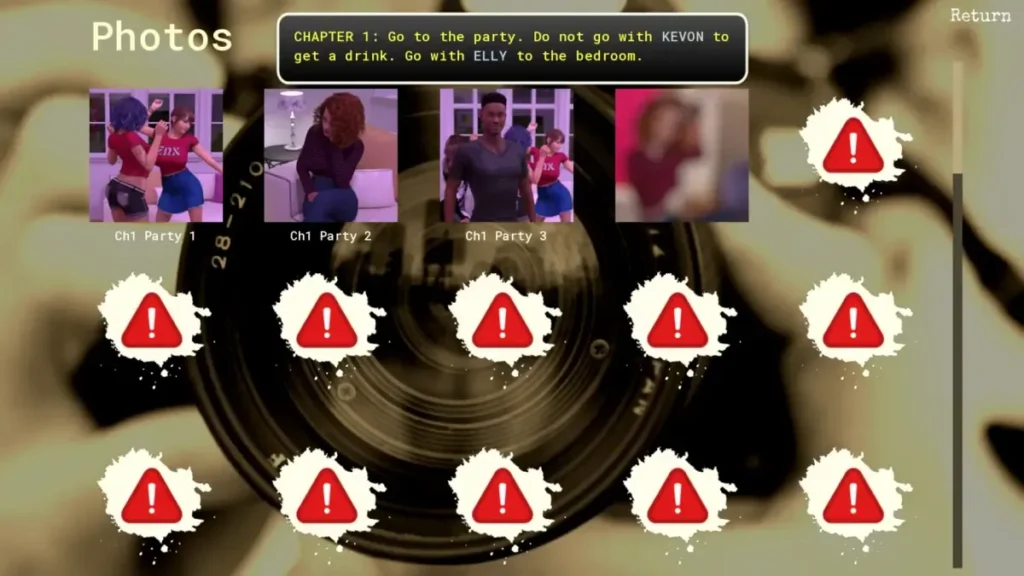
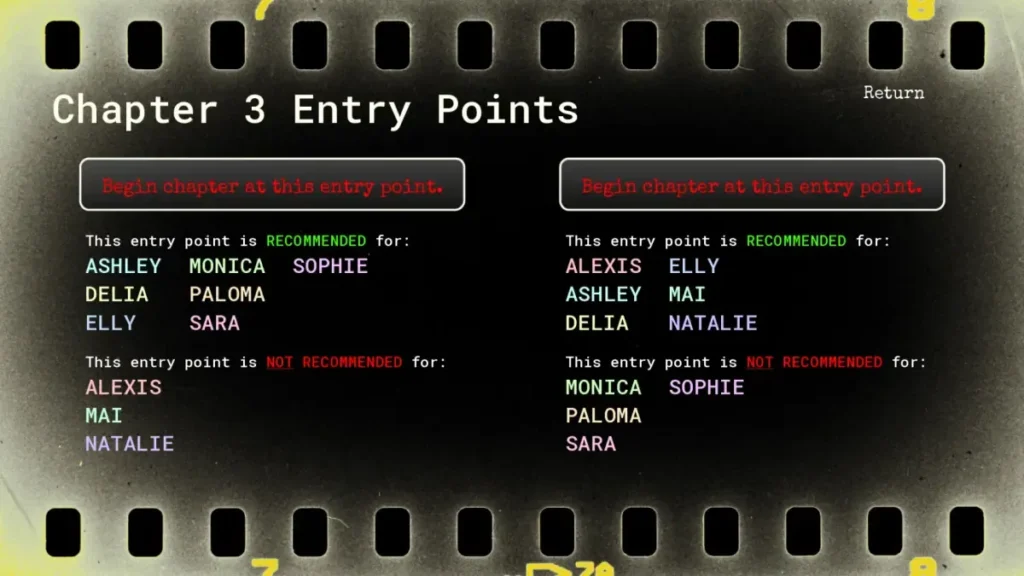
Onhold A Shot in the Dark Screenshots





















Onhold A Shot in the Dark review
Explore storylines, characters, and gameplay mechanics in this choice-driven visual novel
A Shot in the Dark stands out as a choice-driven visual novel that combines narrative depth with player agency. This story-driven experience challenges players to make meaningful decisions that shape the outcome of interconnected character relationships and plot developments. Whether you’re new to the genre or a seasoned visual novel enthusiast, understanding the game’s mechanics, characters, and multiple story paths will enhance your gameplay experience. This guide explores everything you need to know about A Shot in the Dark, from initial setup to unlocking all achievements and discovering hidden story branches.
Understanding A Shot in the Dark: Game Overview & Core Mechanics
Ever feel like you’re just watching a story unfold, powerless to change the course of events? 😩 That was my relationship with visual novels for the longest time—until I stumbled into the moody, neon-drenched world of A Shot in the Dark visual novel. This isn’t a book you simply read; it’s a life you meticulously shape, one conversation at a time. From the very first dialogue option, you are handed the reins, and the game’s brilliant, sometimes brutal, choice-driven gameplay mechanics ensure you feel the weight of every single word you choose.
What makes this experience so gripping isn’t just the mystery at its core, but the profound connections you forge along the way. The character relationship system is the true engine of the narrative, where a compliment or a cold shoulder can redirect your entire path. I remember on my first playthrough, thinking I was being a supportive friend to one character, only to realize I’d completely alienated another, locking me out of a crucial story branch. It was a heartbreaking “aha!” moment that perfectly encapsulates what this game is about: authentic consequences. Your journey culminates in one of many multiple story endings, each a direct reflection of the alliances you’ve built and the moral lines you’ve crossed. To see them all, you’ll need to master the art of visual novel decision making, a skill this guide will help you hone. And for the completionists out there, the A Shot in the Dark achievements aren’t just digital trophies; they’re a roadmap to every dark corner and secret this narrative has to offer, explicitly challenging you to learn how to unlock all endings.
### What Makes A Shot in the Dark Unique in the Visual Novel Genre
Let’s be honest: the visual novel space is crowded. So, what makes this particular game stand out in a sea of static stories? 🎯 It all comes down to agency and atmosphere. While many VNs offer the illusion of choice, A Shot in the Dark builds its entire identity around the tangible impact of your decisions. The game doesn’t just have branching paths; it has a sprawling narrative tree where seemingly minor choices in Chapter 2 can blossom into major plot divergences by Chapter 5.
The setting is a masterclass in mood. You’re not just solving a case; you’re navigating the gritty underbelly of a city where trust is the rarest currency. The tone is consistently tense, paranoid, and emotionally charged, pulling you deeper with each session. Unlike more linear visual novels that feel like interactive movies, this game feels like a role-playing experience. You aren’t guiding a predetermined hero; you are defining who the protagonist becomes through their relationships and ethical compromises. This focus on player-defined identity is the cornerstone of the A Shot in the Dark visual novel experience. It transforms the standard “read-and-click” formula into a deeply personal investment. You’ll find yourself pausing at decision screens, genuinely wrestling with what to say, because you know the game won’t let you off the hook. That lingering doubt, that thrilling uncertainty, is its greatest strength.
### How Choice-Driven Gameplay Shapes Your Story Experience
The heart and soul of this experience are its choice-driven gameplay mechanics. This isn’t a system where you pick a “good” or “evil” alignment at the start and coast. Instead, it’s a relentless series of nuanced, often ambiguous decisions that collectively author your unique story. Every dialogue choice, every piece of evidence you choose to pursue, and even your character’s internal thoughts (which you sometimes get to select) act as brushstrokes on a narrative canvas.
The game excels at presenting decisions without clear right or wrong answers. 🧠 Do you share a critical clue with your skeptical partner to build trust, or withhold it to maintain control over the investigation? Both choices are valid and will steer the plot in radically different directions. This system demands a new style of visual novel decision making. You must learn to think in terms of character motivations and long-term goals, not just immediate plot progression.
Here are some key decision points that significantly impact story progression and character outcomes:
* The Initial Alliance: Early in the story, you are pressured to show preferential support to one of two key figures. This choice doesn’t just affect their opinion of you; it determines which set of exclusive scenes, clues, and character arcs you will access for the next several hours of gameplay.
* Truth vs. Comfort: In pivotal emotional scenes, you often choose between pressing a character for the blunt truth or offering them comforting reassurance. Choosing “truth” might unlock vital information for solving the core mystery, while “comfort” deepens your bond and unlocks personal backstory, potentially leading to a closer relationship.
* Resource Allocation: Your time and attention are finite resources. Choosing to follow one lead means abandoning another. These choices directly gate which locations, characters, and plot threads are available to you, making each playthrough geographically and narratively distinct.
* Moral Compromise: The game frequently asks how far you’re willing to go for justice or for someone you care about. Agreeing to bend or break rules will open up ruthless, efficient paths forward but can permanently damage your standing with certain characters and lock you into more cynical ending branches.
The brilliance is that these mechanics are invisible in a good way. You’re never looking at a “relationship meter” or a “karma score.” You’re just living the story, and the game remembers everything. This creates incredible replay value. My second playthrough felt like a completely different story because I made a different friend and followed a different clue, uncovering whole subplots I never knew existed! 🔄 This is the magic of truly consequential choice-driven gameplay mechanics.
### Character Relationships and Their Impact on Story Outcomes
If choices are the engine, then the characters are the fuel. The character relationship system in A Shot in the Dark is arguably its most sophisticated feature. Your connections with the six main characters—Delia, Mai, Natalie, Sara, Sophie, and Alexis—are not isolated side stories. They are the primary variables in the equation that determines your ending. Each character represents a different worldview, a different approach to the central mystery, and a different potential future for the protagonist.
Building a relationship isn’t just about always being nice. It’s about demonstrating understanding, offering specific support they need, and sometimes, challenging them. Sara might respect cautious professionalism, while Alexis might value reckless bravery. Getting to know their individual personalities is key to navigating the character relationship system successfully. A choice that endears you to Mai might simultaneously make Natalie distrust you. This creates a deliciously tense dynamic where you must constantly balance your personal loyalties with the practical needs of the investigation.
To help you keep track of this intricate web, here’s an overview of the core cast:
| Character | Role / Vibe | Relationship Type & Impact |
|---|---|---|
| Delia | The seasoned, cautious partner on the case. | Professional Trust. A high trust level provides official support, case resources, and a stable ending path. Low trust leads to working alone against institutional pushback. |
| Mai | The intuitive informant with street smarts. | Mutual Reliance. Deepening this bond unlocks the city’s underground network and secret information, but can associate you with dangerous elements. |
| Natalie | The intellectual analyst with a guarded past. | Intellectual Alliance. A strong connection provides forensic and analytical advantages, piecing together complex clues. It often leads to truth-driven, cerebral endings. |
| Sara | A key witness with vulnerable resilience. | Protective Bond. Your choices here define the protagonist’s empathy. Protecting Sara can lead to more hopeful, personal resolutions, but may divert focus from the bigger picture. |
| Sophie | The ambitious outsider with her own agenda. | Calculated Partnership. This is a high-risk, high-reward path. Aligning with Sophie can offer powerful shortcuts and ruthless efficiency, but risks manipulation and morally ambiguous outcomes. |
| Alexis | The emotionally volatile wildcard connected to the mystery. | Intense Personal Connection. The most unpredictable relationship. Navigating it successfully can reveal the mystery’s emotional core and unlock unique, often dramatic, endings filled with raw passion and conflict. |
Understanding these dynamics is the key to navigating the multiple story endings. The game doesn’t have a single “true” ending. Instead, you have endings that reflect who you prioritized and the methods you embraced. Did you solve the case with the system, in spite of it, or by burning it all down? Your final scene is a direct echo of the relationships you nurtured along the way. This makes pursuing A Shot in the Dark achievements, which often require specific relationship states, a fascinating process of narrative archaeology.
My Personal Insight: Don’t try to make everyone happy on your first run. It’s nearly impossible and will dilute the story. Pick one or two characters who resonate with you and invest in them fully. The narrative payoff of a deeply developed, exclusive bond is far more satisfying than a series of shallow acquaintances. Save the “perfect” balancing act for a later playthrough aimed at those tricky A Shot in the Dark achievements.
Ultimately, how to unlock all endings is a journey of exploration through these character hearts and minds. Each ending feels earned, a direct result of the virtual life you’ve lived. It transforms replaying the game from a chore into a genuine curiosity—”I wonder what would happen if I trusted this person instead?” That question is the hallmark of a masterfully executed A Shot in the Dark visual novel, where every shot in the dark, every leap of faith in a conversation, has the power to illuminate a completely new path. 🕵️♀️✨ Your story is waiting to be written.
A Shot in the Dark delivers an engaging visual novel experience where your decisions genuinely matter. By understanding the game’s relationship mechanics, achievement system, and story structure, you can craft a personalized narrative that reflects your preferences and values. Whether you’re pursuing specific character routes, hunting for all achievements, or simply enjoying the branching storylines, this guide provides the foundation for a rewarding playthrough. Take your time exploring different choices, embrace the replay value, and discover the depth hidden within each character’s story arc. Your journey through A Shot in the Dark awaits—make every decision count.