
Star Periphery
Play Star Periphery
Star Periphery Screenshots









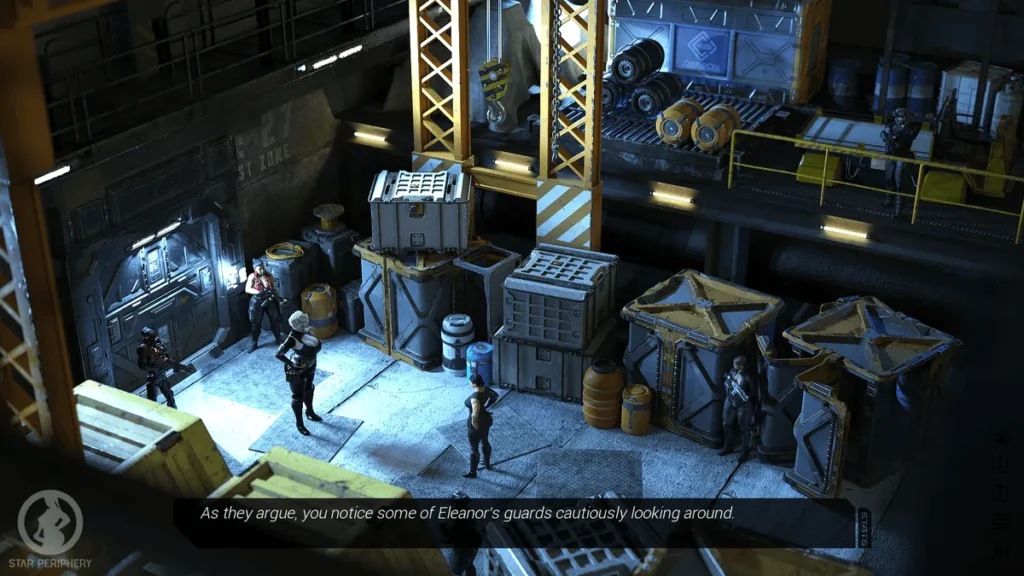
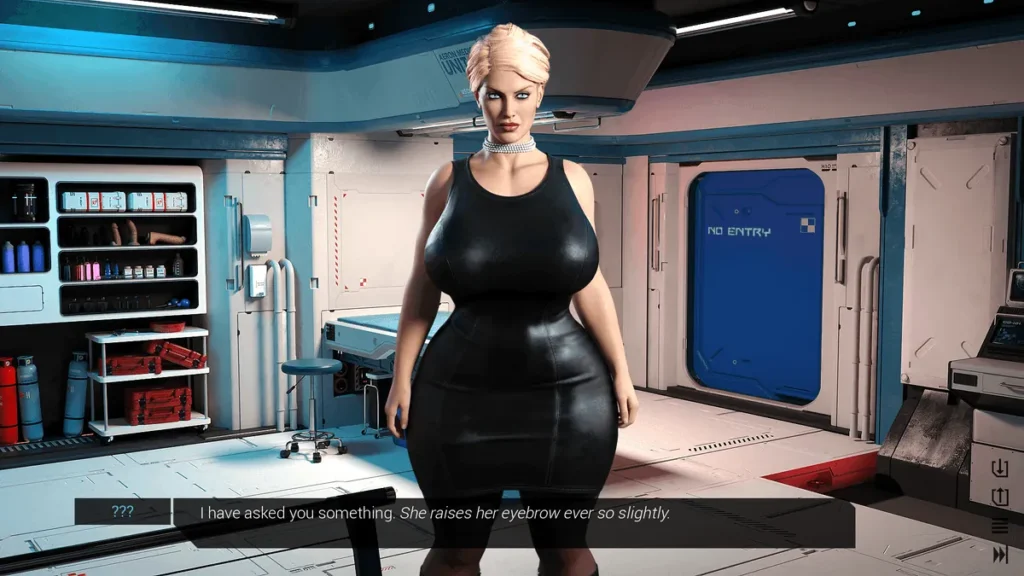

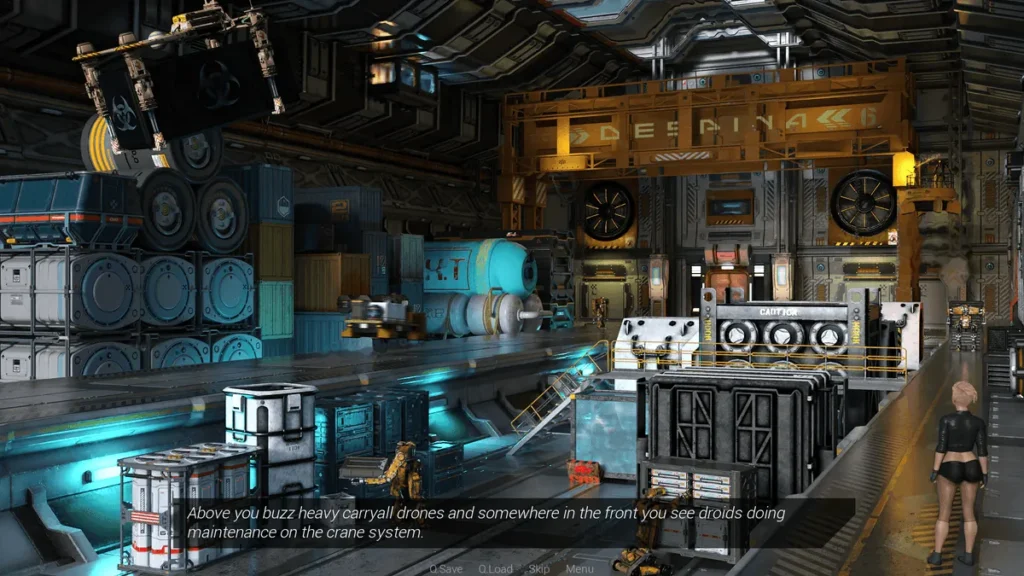

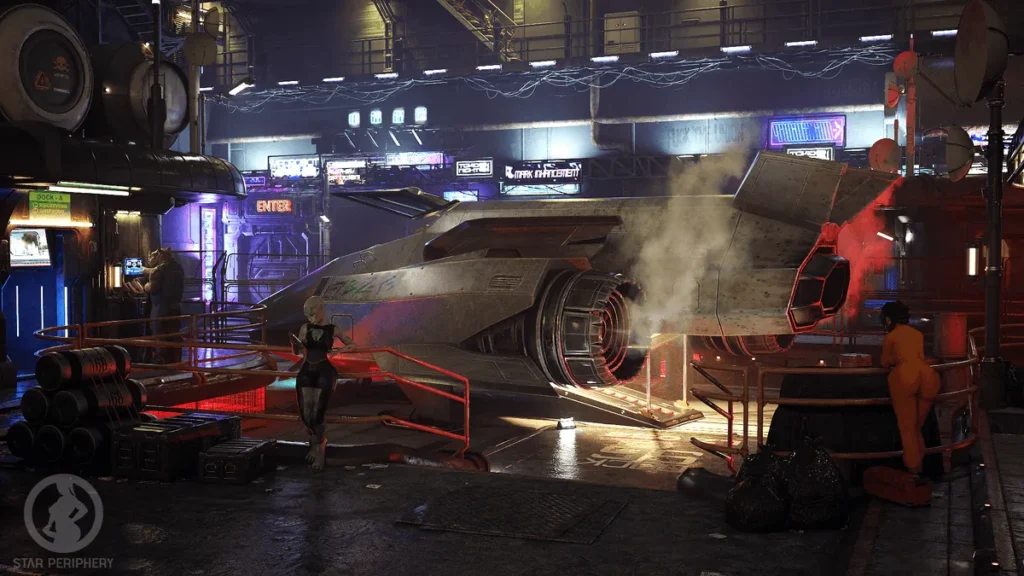
Star Periphery review
Exploring the intersection of command systems and adult-themed space strategy gameplay
Star Periphery represents a unique approach to space strategy gaming by seamlessly integrating mature themes with complex command systems. Unlike traditional strategy games that treat adult content as an afterthought, Star Periphery redefines what mature gaming means by weaving sophisticated mechanics with narrative depth. This guide explores the game’s innovative systems, strategic gameplay elements, and how it stands apart in the competitive gaming landscape. Whether you’re a strategy enthusiast or curious about how games handle mature storytelling, understanding Star Periphery’s approach offers valuable insights into modern game design.
Understanding Star Periphery’s Core Gameplay Systems
So, you’ve just booted up Star Periphery for the first time, and you’re staring at the sprawling star map. A dozen icons blink for attention, a cryptic event log pings with a morally ambiguous choice, and your fledgling fleet idles near a resource-rich asteroid field. You might be tempted to just point your ships and click, treating it like any other space strategy game. Let me stop you right there. 🚀 The magic of Star Periphery’s gameplay mechanics isn’t found in simple point-and-click commands; it’s in the profound, interconnected systems lying just beneath that gorgeous galactic veneer.
Think of it this way: in most games, you command units. In Star Periphery, you orchestrate a society. Every directive you issue ripples through layers of simulation—affecting your crew’s morale, altering political alliances, and opening or closing entire narrative branches. This isn’t just a space strategy command system; it’s a living, breathing engine for stories and strategies that feel uniquely your own. My first major lesson came when I tried to strong-arm a mining colony into compliance. Sure, I got the resources, but weeks later, that simmering resentment fueled a devastating sabotage event that crippled my flagship. I wasn’t just playing a game; I was learning the hard way that in this universe, every strategic decision has a narrative weight. This guide is here to help you master that delicate, thrilling balance.
Multi-Layered Command Architecture
Forget the classic “select all, attack-move” mentality. The core of Star Periphery’s gameplay mechanics is a command structure that demands both macro oversight and micro-awareness. It’s less about giving orders and more about setting conditions and priorities for your autonomous assets. This approach to space strategy command systems creates a uniquely immersive and demanding experience.
At the highest level, you’re a director. You set Fleet Postures—do you want your patrol groups to be Aggressive, provoking and engaging hostiles, or Evasive, preserving strength and gathering intelligence? You enact Sector Policies: is this nebula a “Scientific Priority” zone for research, or a “Denied Area” where any unauthorized ship is fired upon? These high-level commands filter down, shaping how your subordinates behave.
Drill down a layer, and you engage with individual ship captains and station commanders through Stratagem Cards. This is where your personal strategy as a commander shines. These aren’t simple “+20% damage” buffs. A Stratagem might be “Inspiring Speech,” temporarily boosting crew efficiency at the cost of your leader’s political capital, or “Shadow Protocols,” making a fleet invisible to sensors but drastically slowing its movement. You’re not just managing health bars; you’re managing states of mind, operational conditions, and political will.
The true genius is in the automation and delegation. You don’t pilot every fighter. Instead, you assign a squadron a Primary Directive (e.g., “Intercept Bombers”) and a Rules of Engagement (e.g., “Disengage at 30% Hull”). This creates dynamic, believable battles where your forces act with a semblance of real-world doctrine, allowing you to focus on the overarching tactical puzzle. It’s a system that rewards forethought and understanding cause-and-effect, making you feel like a genuine fleet admiral rather than a micromanaging mouse-clicker.
| Command Layer | Traditional Strategy Games | Star Periphery’s System | Player’s Role |
|---|---|---|---|
| Strategic Layer | Tech trees, global bonuses | Sector Policies, Political Influence, Long-Term Fleet Postures | Architect & Politician |
| Operational Layer | Direct unit control, active ability use | Stratagem Cards, Conditional Orders, Resource Allocation to Tasks | Field Commander & Tactician |
| Tactical Layer | Individual unit targeting, positioning | Setting Unit AI Priorities (Directives & Rules of Engagement) | Doctrine Specialist |
| Narrative Integration | Separate story missions or scripted events | Commands directly influence faction relations, crew loyalty, and random event outcomes | Storyteller & Leader |
This multi-layered approach means there’s never a single “right” click. Every command is a thread you pull in a vast, interconnected web. It’s what elevates Star Periphery from a simple tactical decision-making game to a profound simulation of leadership. You’re constantly weighing immediate needs against long-term consequences, a hallmark of truly complex command mechanics.
Strategic Decision-Making Framework
Alright, so you understand the tools in your command console. Now, how do you use them to not just survive, but thrive in the brutal peripheries of space? This is where Star Periphery transitions from a complex simulation to a deeply engaging mature gaming strategy experience. The game presents a constant, delicious tension between cold, mathematical efficiency and the messy, human (or alien) cost of your choices. Your Star Periphery strategy guide starts with understanding this framework.
Resource management is your first crucible. But we’re not just talking about “Titanium +100.” The key resources are multifaceted:
* Material Resources: Ore, Gas, Data. The basics for building and supply.
* Human Resources: Crew Morale, Specialist Expertise, Political Capital. Your “soft” power.
* Strategic Resources: Intel, Favor with Major Factions, Prestige. These open doors money can’t buy.
I learned this framework the hard way during a prolonged blockade. I had material wealth, but my crew was exhausted and mutinous from constant battle alerts. I won the blockade, but my victory was so pyrrhic that my own marines turned on me during the next planetary negotiation. The game had effectively asked me: “You optimized for firepower, but did you optimize for the people wielding it?” This is the core of its mature gaming strategy—it interrogates the cost of your efficiency.
Your strategic decisions funnel into a cycle of Scan, Plan, Execute, and Adapt.
1. Scan: Use your scouts and intel networks. A blip on a sensor isn’t just “an enemy.” Is it a lone raider, a trade convoy from a faction you’re courting, or the vanguard of a massive invasion fleet? Information is your most valuable currency.
2. Plan: Based on intel, formulate a plan using your layered commands. Assign fleet postures, pre-select Stratagems, and set conditional orders. This is where you leverage complex command mechanics to create a cohesive strategy.
3. Execute: Issue the orders and watch the plan unfold. Here’s the catch: rarely does it go perfectly. This isn’t failure; it’s the game’s input.
4. Adapt: This is the most crucial phase. A new enemy faction warps in. Your “allied” mercenaries turn greedy. A solar flare disrupts communications. Your ability to pivot, to re-prioritize on the fly using your command systems, separates the admirals from the wreckage.
Pro Tip: Always keep a “Flex” resource reserve—both in materials and in a fast-response fleet. My rule of thumb is 20%. Never commit 100% of your power to a single plan. The Periphery will test your assumptions, and your ability to adapt is your ultimate weapon.
This framework ensures that Star Periphery gameplay mechanics are never just a puzzle to be solved once. They are a dynamic language of power, and you are constantly writing and rewriting your story with it. The long-term planning isn’t just about building a bigger battleship; it’s about cultivating alliances, managing your reputation, and ensuring your people still believe in the mission when things get dark. 😰
Integration of Mature Narrative Elements
This is where Star Periphery truly separates itself from the pack of standard narrative-driven strategy games. The mature themes aren’t a separate, titillating layer slapped on top—they are the fertilizer in which the strategic gameplay is rooted. Your decisions in the command console have direct, often unforeseen, consequences in the narrative, and vice-versa. It’s a constant, compelling dialogue between your role as a strategist and your role as a leader of people.
The game achieves this through systems like the Hearts and Minds mechanic on conquered planets. It’s not enough to park a fleet overhead. You must choose how to govern: through benevolent investment (costly but stable), coercive fear (cheap but breeds rebellion), or cynical exploitation (profitable but destructive). Each choice alters the planet’s output, triggers unique event chains, and changes how other factions perceive you. Are you a liberator or a colonizer? The game doesn’t judge, but it meticulously tracks the consequences, weaving them into future encounters and story beats.
Character loyalty is another masterstroke. Your officers—the cynical doctor, the idealistic pilot, the ruthless spy—aren’t just stat blocks. They have personal quests, ethical lines, and shifting loyalties. Assigning a pacifist officer to command a punitive raid will damage their morale and trust, potentially causing them to withhold critical advice or even desert. I once ignored my science officer’s warnings about exploiting a sacred alien relic for short-term gain. The strategic benefit was immense, but she resigned in protest. Three game-months later, I encountered her again—now leading the research division of a rival faction, using her intimate knowledge of my operations against me. The personal was strategic.
Example: Real Gameplay Scenario
Let’s look at a scenario I faced, which perfectly illustrates this fusion. I discovered a derelict generation ship, the Elysian Dream, adrift in a contested sector. My scanners showed it had a functional pre-war terraforming core—a massive strategic asset.
- The Strategic Layer: Claiming the core could accelerate my colony development by 300%. However, the ship was also claimed by the “Spectral Veil,” a mysterious faction I was cautiously befriending. Seizing it would be an act of war. My fleet posture in the area was “Defensive.”
- The Narrative Layer: Boarding parties reported thousands of humans in cryo-sleep aboard, alive but failing. The Spectral Veil considered the ship a sacred tomb. My humanitarian officer pleaded for a rescue; my strategic advisor called the sleepers “liabilities.”
- The Decision Point: I had multiple commands to issue.
- I could change my Fleet Posture to Aggressive, seize the core by force, and attempt a rushed evacuation (high risk, high reward).
- I could use a “Diplomatic Overture” Stratagem Card to negotiate with the Spectral Veil, offering shared research for shared rescue (costs Political Capital, builds alliance).
- I could set a Conditional Order to stealthily extract the core data while leaving the physical ship intact, then anonymously beam the cryo-pod coordinates to a neutral party (preserves some relations, avoids immediate conflict, but is ethically murky).
I chose option two, burning precious Political Capital to broker a deal. The strategic payoff was slower—I didn’t get the core itself, but a steady research stream. The narrative payoff was immense: the Spectral Veil became a steadfast ally, providing unique intel for the rest of the campaign, and my crew’s morale soared from the successful rescue. The game didn’t present a “good” or “evil” choice. It presented a strategic choice with profound narrative and gameplay ramifications, where my mature gaming strategy had to account for ethics, reputation, and long-term relationship building.
This seamless integration is why Star Periphery resonates so deeply. It understands that in a believable, gritty universe, the choice of how to win is often more compelling than the victory itself. Your command over fleets and your influence over stories are two sides of the same coin, making every session a unique chapter in a personal, player-driven epic. Your journey through its stars will be defined not just by the battles you win, but by the leader you become in the process. ✨
Star Periphery successfully bridges the gap between sophisticated strategy mechanics and mature storytelling, creating a gaming experience that respects player intelligence while delivering engaging narrative depth. The game’s multi-layered command systems provide meaningful strategic choices that extend beyond typical space strategy offerings, while its integration of mature themes serves the narrative rather than distracting from it. For players seeking strategy games that treat adult audiences with nuance and complexity, Star Periphery demonstrates how thoughtful game design can elevate the entire genre. Whether you’re drawn to intricate tactical gameplay or compelling mature narratives, Star Periphery offers a compelling experience worth exploring.