
Dominant Witches
Play Dominant Witches
Dominant Witches Screenshots


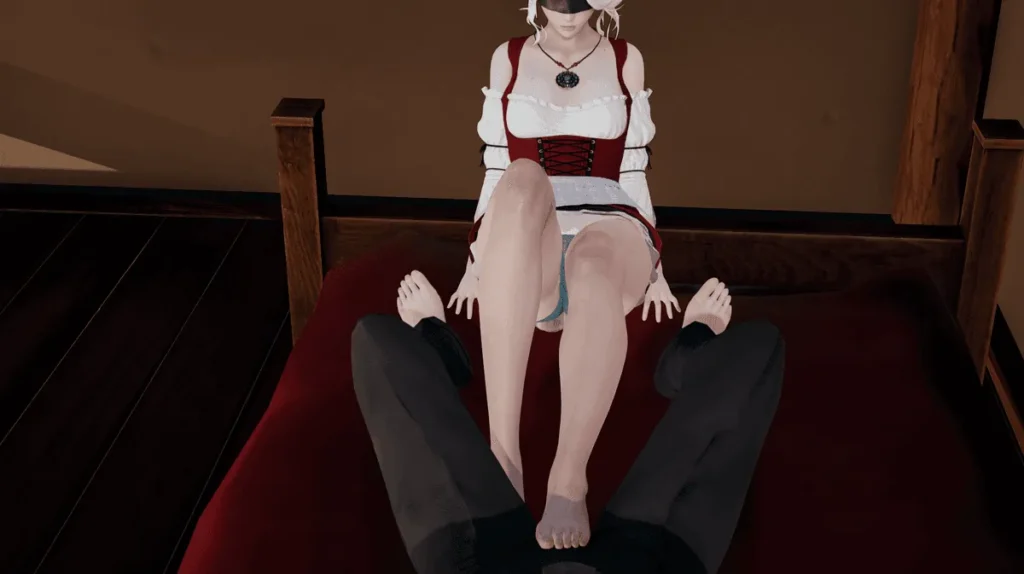


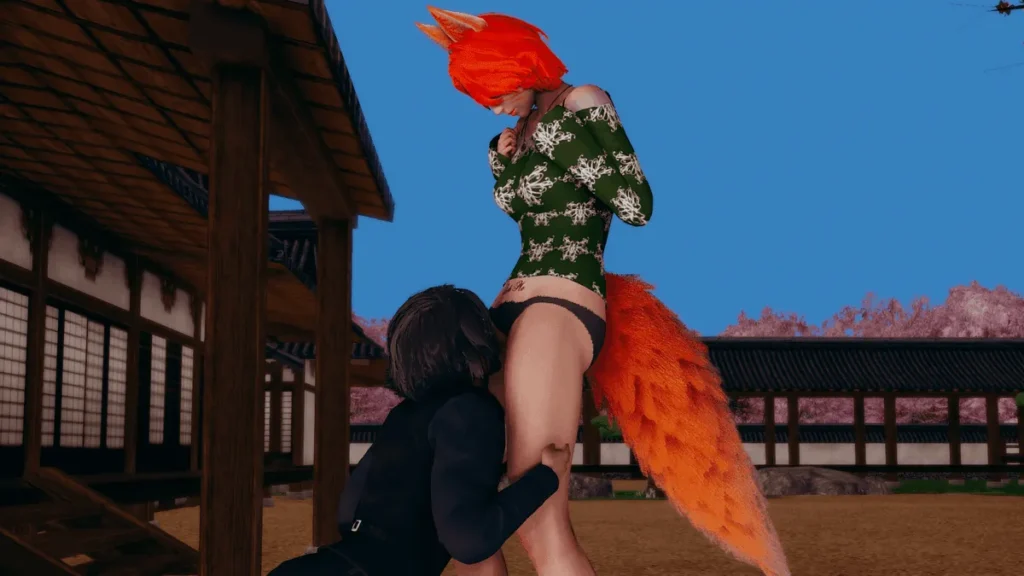
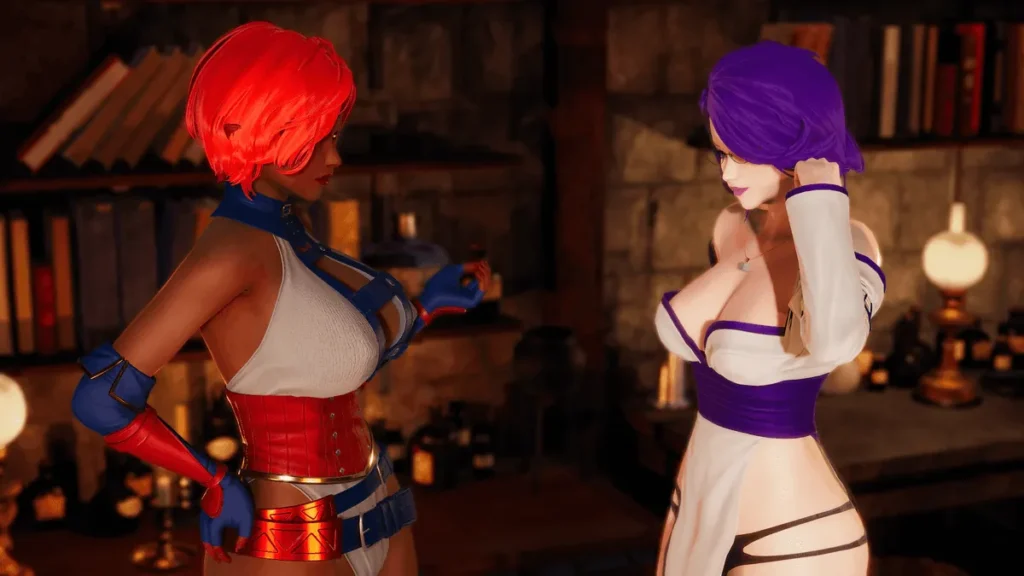
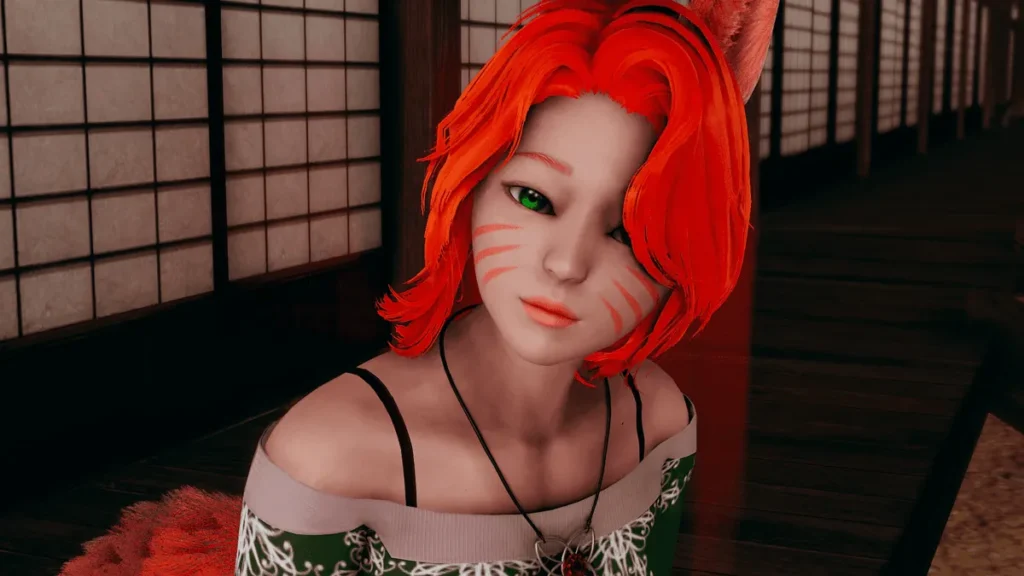
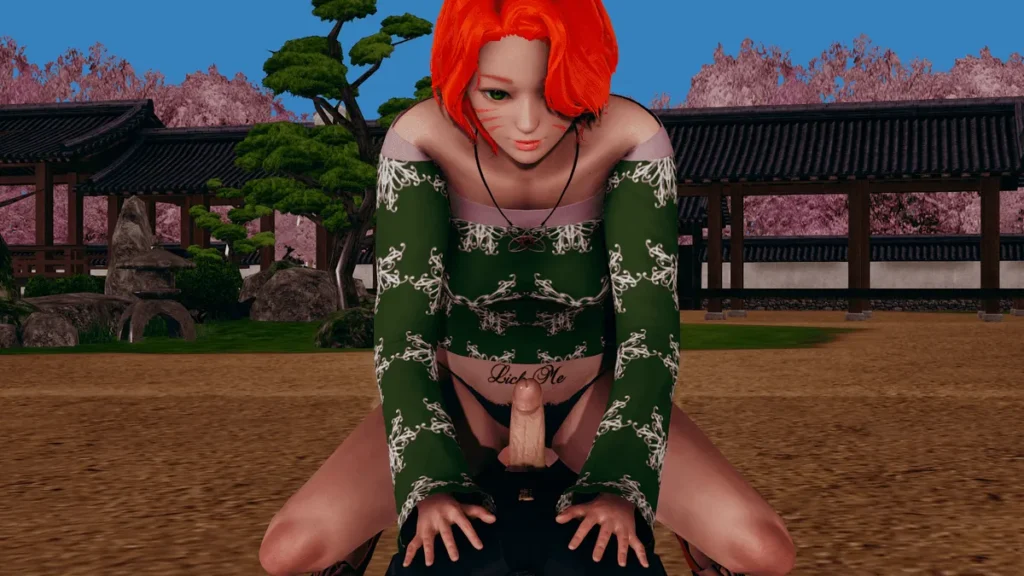

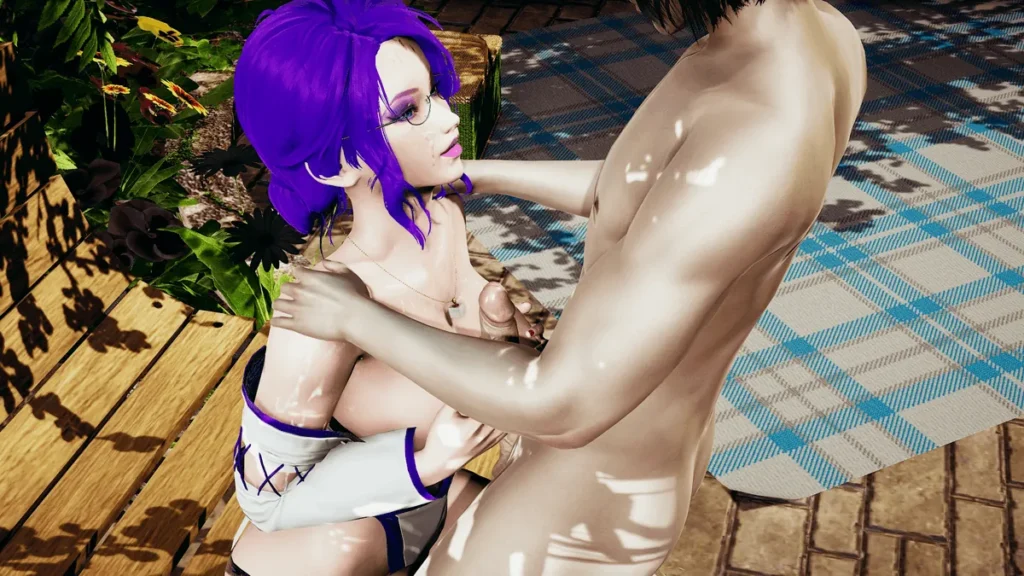
Dominant Witches review
Explore the immersive fantasy visual novel experience with magic, intrigue, and strategic gameplay
Dominant Witches stands out as a richly detailed fantasy visual novel that invites players to explore a world of magic, intrigue, and mature storytelling. This comprehensive guide walks you through everything you need to know about the game, from its core mechanics and character dynamics to gameplay strategies and what makes it a compelling choice for visual novel enthusiasts. Whether you’re a seasoned player or considering diving into this fantasy realm for the first time, this guide provides actionable insights to enhance your gaming experience and help you navigate the intricate world of magical intrigue.
Understanding Dominant Witches: Game Overview and Core Mechanics
So, you’ve heard the whispers about a coven of powerful magic-users and a story where your every choice holds weight. You’re curious about Dominant Witches, the fantasy visual novel gameplay that’s captivating players. But maybe you’re wondering: what exactly is it, and how do I even start? 🤔
Let’s pull back the curtain. This isn’t just a story you watch; it’s a world you inhabit. Think of it as your personal gateway into a realm of arcane politics, deep personal bonds, and strategic decisions where charm can be as potent as any spell. Whether you’re new to the genre or a seasoned reader, this guide will equip you with everything you need to master its secrets.
### What Makes Dominant Witches a Unique Visual Novel Experience
Many fantasy tales offer escape, but Dominant Witches offers agency. From the moment you create your protagonist, you’re not just following a script—you’re writing it with every dialogue choice and action. What sets this interactive storytelling game apart is its fearless commitment to mature, consequential storytelling. This isn’t a fairy tale of clear-cut good and evil; it’s a nuanced tapestry of ambition, desire, and magical intrigue where allies can become rivals and seemingly small favors can have monumental repercussions.
I remember my first playthrough vividly. Early on, I faced a choice: expose a minor secret to gain political favor or protect it to build trust with a potential ally. Thinking it was a simple “short-term vs. long-term” gamble, I chose exposure. 🎭 Big mistake. That “minor” secret was a carefully laid thread in a much larger web of deception. Chapters later, the ally I’d written off returned with crucial aid, while the faction I’d curried favor with saw my action as a sign of untrustworthy recklessness. The game had remembered, and the narrative seamlessly wove my “small” choice into the epicenter of a faction war.
This is the heart of the Dominant Witches visual novel experience: richly detailed world-building that feels alive and reactive. The lore isn’t just backdrop; it’s the very soil in which your decisions take root. You’ll learn about ancient pacts, the delicate balance of elemental magics, and the tense hierarchy of the covens—not through tedious textbooks, but through conversations, discoveries, and the direct consequences of your exploration.
The game masterfully blends its fantasy elements with deeply human drama. The magic system is intricate and feels powerful, but the true sorcery lies in how it intersects with the characters’ motivations and flaws. A fire witch’s explosive power might mirror her volatile temper, while a master of illusions might use her skills to hide profound vulnerability. This synergy between world and character creates an immersion that’s hard to find elsewhere.
### Core Gameplay Mechanics and How to Navigate the Game World
At its core, Dominant Witches uses classic visual novel mechanics, but elevates them with strategic depth. Your primary tools are narrative branching choices, which appear during key conversations and pivotal moments. These aren’t just about being “nice” or “mean.” They often represent philosophical stances, tactical decisions, or emotional instincts.
The game world is navigated through a beautifully rendered interface. You’ll typically progress through a central story path, but regular “Free Time” segments are your golden hours. 🕐 These periods allow you to choose which location to visit or which character to seek out. Do you spend the afternoon in the library researching a mysterious artifact, train in the gardens to boost your magical aptitude, or seek out a specific witch to deepen your bond? This is where you direct the focus of your story.
To understand the scope of your influence, let’s break down the key systems at a glance. This table compares the core interactive pillars of the Dominant Witches visual novel experience.
| Gameplay Feature | How It Works | Impact on Your Story |
|---|---|---|
| Dialogue & Narrative Choices | Timed and untimed response options during conversations, ranging from diplomatic to aggressive, curious to reserved. | Directly shapes character opinions, unlocks hidden story paths, and can alter the political landscape of the coven. |
| Relationship Points (RP) | A hidden metric that increases or decreases based on your choices with each character. Shown through subtle cues like character expressions and music. | Determines which character-specific subplots unlock, the availability of romantic routes, and which allies will stand with you in crises. |
| Stat Progression (Magic, Insight, Resolve) | Certain choices and Free Time activities will permanently boost one of your core attributes. | Checks your stats at critical junctures. High Magic might let you brute-force a seal, while high Insight could uncover a lie, creating entirely different scene outcomes. |
| Inventory & Key Items | Collecting grimoires, tokens, and clues throughout your playthrough. | Items can be used in specific conversations to unlock unique options, proving your knowledge or offering a symbolic gift to sway a character. |
Progress is often gated behind these narrative branching choices and stat checks, making each playthrough unique. The game doesn’t railroad you; it presents a living ecosystem of cause and effect. A piece of lore you discover in Act I might be the key to persuading a stubborn council member in Act III. This design rewards attention and experimentation, making subsequent playthroughs—where you make different choices—feel like entirely new stories.
Pro Tip: Don’t rush through dialogues! Pay attention to the narrative descriptions. They often contain subtle hints about a character’s true feelings or the potential unseen outcome of a choice. The text itself is a tool in this interactive storytelling game.
### Character Dynamics and Relationship Building Systems
If the world is the stage, the characters are the unforgettable performers who make you care. The character relationship system in Dominant Witches is its crowning achievement, moving far beyond simple “like/dislike” meters. Every major witch has a complex personality, a personal history woven into the world’s lore, and independent goals that may align or clash with your own. 💫
Your interactions build a unique dynamic with each character. This isn’t just about romance (though those paths are beautifully developed); it’s about building alliances, mentorship, rivalry, or even fostering bitter enmity. The system is beautifully opaque—you won’t see a numerical score. Instead, you must read the room: shifts in their voice tone, changes in their character sprite’s expression, and the context of their subsequent dialogue are your only guides. This makes relationships feel organic and earned.
For example, Elara, a stoic witch who values discipline and strength, might respond coldly to a joke but warm slightly to a choice that demonstrates personal responsibility. Conversely, Mirella, a free-spirited and cunning illusionist, might find that same responsible choice boring and be much more engaged by a risky, clever scheme. The fantasy visual novel gameplay here lies in learning this emotional “magic language” for each person.
Your player agency is absolute in how you manage these dynamics. You might decide to play a unifying leader, trying to mend fences between feuding characters. Or you might be a cunning manipulator, pitting them against each other to secure your own power base. The game’s branching narrative paths mean that crucial story events—who supports you in a coup, who reveals a vital secret, who might betray you—are direct results of the rapport you’ve cultivated (or neglected).
These relationships are also the primary gateway to the game’s vast narrative branches. Achieving a close bond with a character often unlocks their “Personal Quest” line—a series of scenes delving into their past and motivations that can radically alter your understanding of the main plot and provide unique resources for the endgame. Failing to connect might mean missing entire story chapters and facing the final conflicts without a crucial ally’s power or knowledge.
Frequently Asked Questions
To wrap up this overview, let’s address some common questions new players have when learning how to play visual novels like this one.
Q: I’m overwhelmed by choices. How do I make a “good” decision?
A: First, abandon the idea of a universally “good” choice. 🧠 Think about who your character is and what your current goals are. Are you seeking power, knowledge, peace, or personal connections? Align your choices with that vision. Also, save often! Create separate save files at key decision points so you can explore consequences without pressure.
Q: Can I max out relationships with everyone in one playthrough?
A: Typically, no—and that’s by design. Time is a limited resource, and characters have conflicting values. Choosing to spend time with one often means neglecting another. This mirrors real social dynamics and makes each playthrough unique. Focus on the characters who resonate with you or fit your strategic approach.
Q: How important are the “Magic,” “Insight,” and “Resolve” stats?
A: Extremely. They act as keys to locked narrative doors. A high enough stat will often provide a third, superior option in a tense situation. Don’t try to balance them evenly on a first run. Pick a stat that fits your roleplay (e.g., Insight for a diplomatic reader of people, Magic for a powerful arcane specialist) and lean into it through your choices.
Q: Is there a “game over” or can I just keep playing?
A: The story will continue almost regardless of your choices, leading to different conclusions, not necessarily a stop. However, certain critical failures—like failing a major stat check during a life-or-death crisis—can lead to premature endings. These are clearly signaled and are part of the game’s commitment to consequential storytelling.
Q: What’s the best way to experience the story?
A: Play your first run blind and for immersion. Make choices you genuinely feel in the moment. 💖 Afterwards, if you’re captivated, use subsequent playthroughs to target specific character routes or outcomes. The community is also great for sharing discoveries about hidden paths and the astonishing depth of the narrative branching choices.
Embarking on Dominant Witches is signing up for a journey where you are the author, the strategist, and the heart of the tale. Its unique blend of deep fantasy visual novel gameplay, intricate visual novel mechanics, and a profound character relationship system creates an experience that stays with you long after the final spell is cast. Your coven awaits your leadership. What story will you tell?
Dominant Witches offers a compelling blend of fantasy storytelling, strategic gameplay, and immersive world-building that appeals to visual novel enthusiasts seeking mature, narrative-driven experiences. The game’s richly detailed setting, complex character dynamics, and meaningful choice systems create an engaging experience where your decisions genuinely shape the story and relationships. Whether you’re drawn to the magical intrigue, character development, or the freedom to explore multiple narrative paths, Dominant Witches delivers a sophisticated gaming experience. Start your journey into this fantasy realm today and discover how your choices create a unique story that reflects your playstyle and preferences.