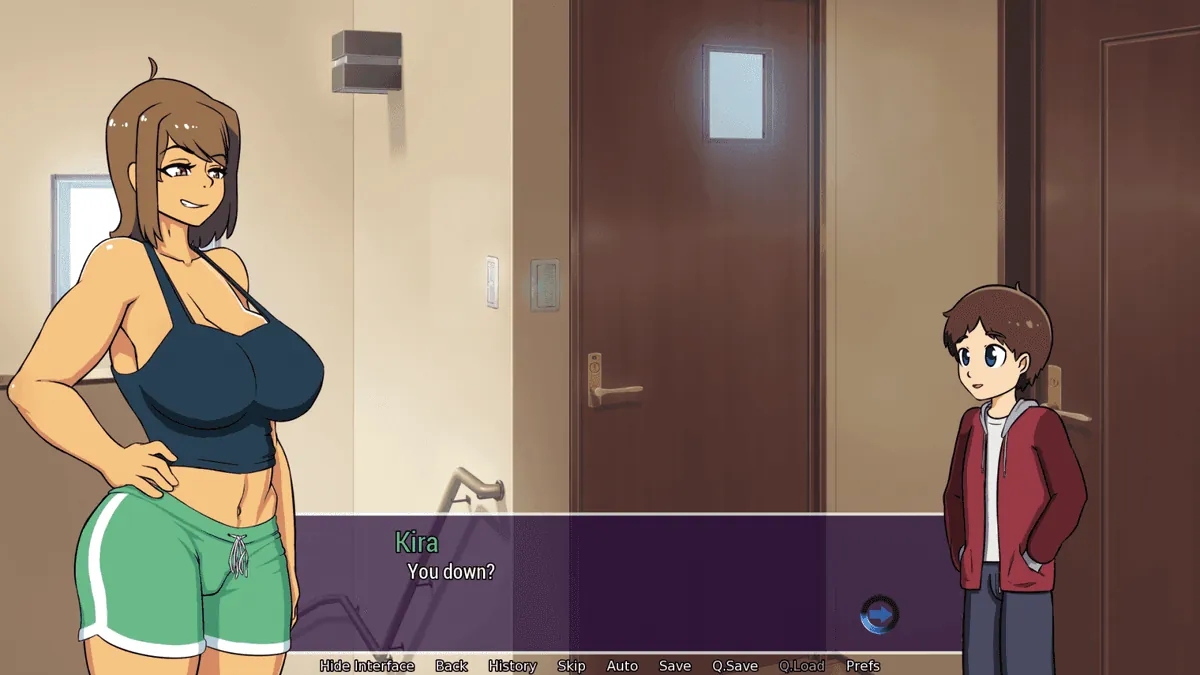
Sunville
Play Sunville
Sunville Screenshots

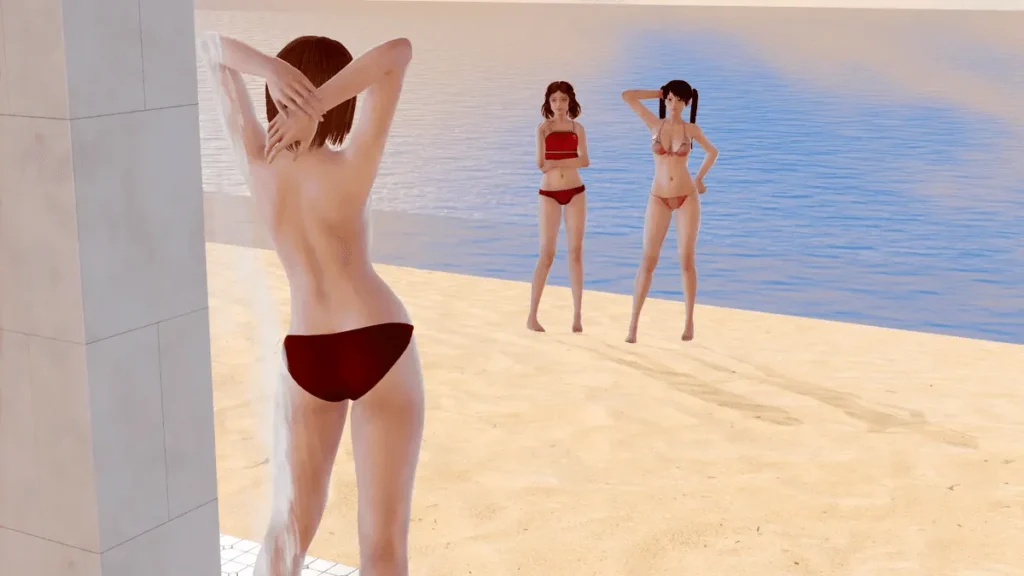



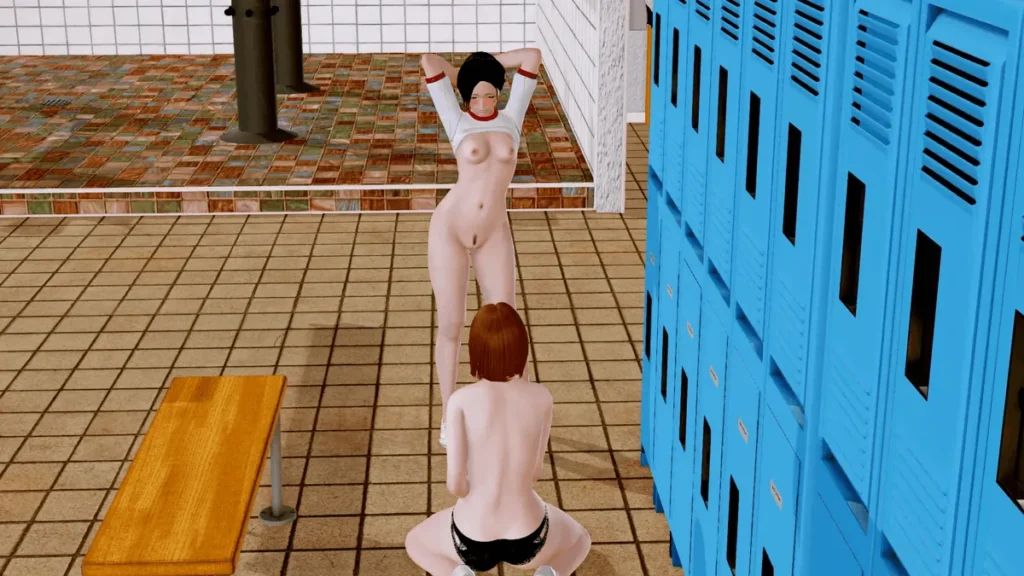

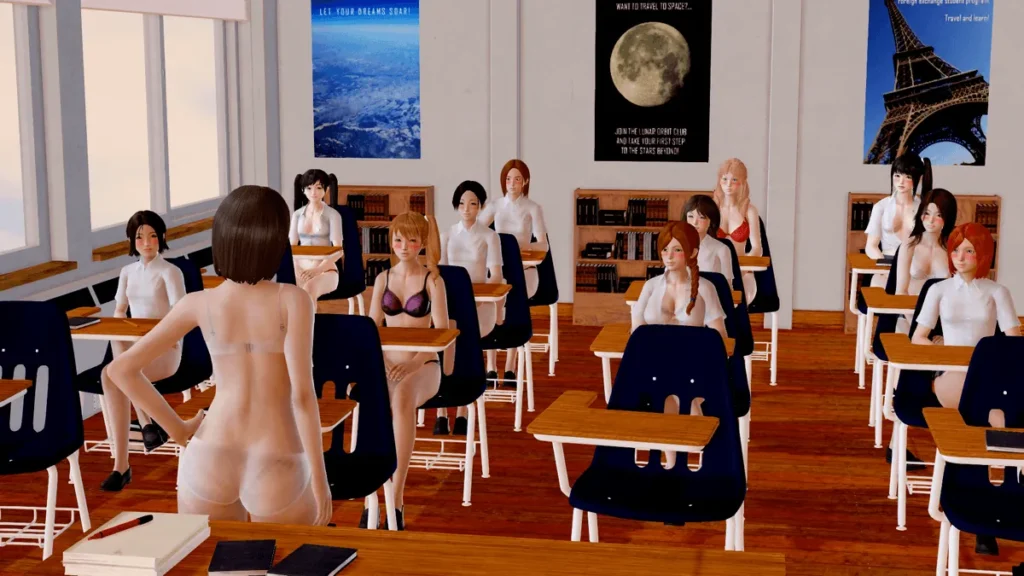

Sunville review
Master the interactive storytelling and branching narratives in this immersive visual novel experience
Sunville stands out as a narrative-driven interactive experience that combines point-and-click exploration with meaningful player choices. This visual novel invites you into a sun-soaked town where your decisions shape the story’s outcome across multiple branching paths. Whether you’re drawn to the immersive storytelling, the dynamic character relationships, or the exploration mechanics, Sunville delivers a distinctive gaming experience where small actions create ripple effects throughout the narrative. Understanding the game’s core systems and hidden features will help you unlock the full potential of your playthrough and discover the numerous endings available.
Understanding Sunville’s Core Gameplay Mechanics
Diving into Sunville can feel a bit like arriving in a new town. There’s the initial awe of the beautiful scenery, the curiosity about the locals, and that thrilling yet slightly overwhelming sense of possibility. 🏝️ You might wonder, “Where do I even start?” Unlike more rigid games, Sunville doesn’t hand you a checklist and a minimap. Instead, it invites you to live in its world, and that invitation is powered by a beautifully crafted set of Sunville gameplay mechanics that feel less like rules and more like natural laws of a digital universe. This chapter is your friendly guide to understanding that universe.
At its heart, Sunville’s magic lies in how three core systems—exploration, relationships, and time—weave together to create a deeply personal story. These interactive storytelling mechanics don’t just drive the plot; they make you feel like a true part of Sunville’s community. Every click, every conversation, and every choice you make (or don’t make) plants a seed that will grow throughout your journey. Let’s unpack how it all works.
How Point-and-Click Exploration Works in Sunville
Forget complex control schemes. In Sunville, your primary tool for interaction is your cursor. This point-and-click exploration is deceptively simple, but it’s the foundation of all discovery. Think of your mouse as an extension of your own curiosity. The entire town is your canvas, from the sun-drenched beaches and bustling downtown markets to the quiet, leafy residential lanes and the mysterious old lighthouse. 🗺️
The beauty of this system is its intuitiveness. You’re never fighting the controls. When you see a shimmer on the ocean wave, a glint near a park bench, or a character who seems lost in thought, a simple click is your way of saying, “I want to see what that’s about.” This direct interaction makes the world feel tangible. I remember one playthrough where I was casually clicking on bookstore shelves, not expecting much, and uncovered a hidden diary entry that completely reshaped my understanding of the town’s history. The game rewarded my nosiness with a richer story.
This point-and-click exploration is how you activate the world. Clicking on environmental features often triggers mini-events: finding collectibles, overhearing gossip, or unlocking new character interactions in Sunville. Maybe you click on a wobbly stack of boxes in an alley, leading to a small scene where you help prevent a mishap, earning you gratitude (and a new dialogue option) from a local shopkeeper later. The game respects your intelligence; it doesn’t scream “INTERACT HERE!” with giant glowing arrows. It trusts you to observe, to be curious, and to click.
The main interface menu is your quiet companion in this. A quick press of a key brings up clean panels for your current objectives (which are often pleasantly vague, like “Get to know the townsfolk”), your evolving relationships, and any inventory items you’ve found. It’s there when you need it, but it fades into the background, never pulling you out of the immersive experience. Every item you find and every location you unlock feels connected to your growth within the community. Finding a seashell isn’t just a +1 to inventory; it’s a potential gift, a conversation starter, or a clue.
The Relationship System and Character Interactions
If exploration is the body of Sunville, relationships are its beating heart. The Sunville relationship system is what transforms this from a pretty town simulator into a profound narrative experience. Every resident, from the cheerful beach lifeguard to the reclusive artist in the hills, has their own life, schedule, and emotional depth. Your character interactions in Sunville are the tools you use to build bonds, and these bonds are the literal keys to unlocking the game’s vast array of story paths. ❤️🤝
Building a relationship isn’t about grinding a “friendship meter” by repeating the same action. It’s a nuanced dance of attention, memory, and choice. Characters remember what you say, what you do for them, and even what you don’t do. Choosing to spend your afternoon helping Leo the farmer save his storm-threatened orchard instead of pursuing the “main” story quest isn’t a detour; it’s an investment. That single act of kindness might seem small, but it creates ripple effects. Weeks later, when you’re in a bind, Leo might vouch for you in a town meeting, or his abundant harvest might supply a festival that becomes a central story event. He might introduce you to his sister, a marine biologist, unlocking a whole new storyline about the coastal ecosystem. This is the snowball effect of meaningful character interactions in Sunville.
The dialogue system is where this shines. You’re often presented with multiple response options, and these go beyond simple “Good/Evil” binaries. You can choose to be empathetic, pragmatic, humorous, or inquisitive. Different characters respond to different tones. The stoppy blacksmith might appreciate your direct, no-nonsense approach, while the dreamy poet might open up more to your whimsical side. There are no universally “correct” answers, only choices that align with the person you want to be and the relationships you want to cultivate.
These bonds grant tangible rewards. A strong friendship might grant you a unique ability, like borrowing a character’s boat for access to a hidden island. A deep romantic connection can alter major plot points, offering you support in crucial moments or presenting heartbreaking dilemmas. The Sunville relationship system is brilliantly integrated into the interactive storytelling mechanics, ensuring that who you know is just as important as what you know.
Pro Tip: Keep a mental (or actual) note of what characters like and dislike. Giving a character a gift they love, or recalling a personal detail they mentioned days earlier in conversation, can massively accelerate your bond and open up dialogue trees you didn’t even know existed.
To illustrate how Sunville’s approach differs from more traditional game designs, let’s look at this comparison:
| Mechanic | Traditional Game Approach | Sunville’s Approach |
|---|---|---|
| World Interaction | Contextual button prompts, highlighted objects, map icons for points of interest. | Pure point-and-click exploration encouraging organic discovery; the world doesn’t explicitly guide you. |
| Choice Impact | Often binary, leading to clearly defined “good” or “bad” endings, or delayed consequences. | Subtle, interconnected web of consequences; small social choices snowball into major narrative shifts. |
| Exploration Rewards | Experience points, currency, or gear upgrades. | Story fragments, character insights, relationship opportunities, and a deeper sense of place. |
| Pacing | Often player-driven but within mission structures or level progression. | Governed by the in-game clock and calendar, creating a natural, life-simulating rhythm. |
Time Management and Event Triggers
Time is the invisible current that carries your Sunville story forward. The game operates on a dynamic in-game clock and calendar, making time-based events in this visual novel a critical layer of strategy and realism. Days dawn and dusk, shops open and close, and characters follow their own weekly routines. This isn’t just for ambiance; it’s a core Sunville gameplay mechanic that demands your attention and shapes your unique narrative. ⏰📅
You have a limited number of “time blocks” each day (like morning, afternoon, and evening). Choosing how to spend them is the game’s central strategic loop. Do you use the morning to fish at the pier, hoping to catch a rare fish for the upcoming festival? Or do you visit the library while it’s open to research the town’s folklore? Perhaps you know that Maya, the café owner, is only free to chat in the late afternoons before the dinner rush. This creates a delightful and sometimes agonizing sense of opportunity cost.
Time-based events in this visual novel are everywhere. Certain story beats only trigger on specific days of the week or during particular weather conditions. The town’s major festival happens on a set date—will you have strengthened the right relationships or gathered the necessary items to see all its events? I made the mistake once of neglecting my friendship with the event planner, and come festival day, I was stuck with a menial task while other characters experienced a beautiful, pivotal cutscene together. The game didn’t fail me; my time management did.
This system brilliantly merges with the relationship and exploration mechanics. A character might mention they’re visiting the cliffs every Tuesday at sunset to paint. If you remember and show up, you’ll trigger a special, intimate scene that wouldn’t happen anywhere else. The Sunville game features around time teach you to be observant, to listen, and to plan. It turns the town from a static backdrop into a living, breathing organism.
The learning curve here rewards patience. You might feel rushed at first, trying to do everything. But Sunville is designed for multiple playthroughs. You can’t see everything in one go, and that’s okay. The game respects that. Your first story will be defined by the paths you chose and the moments you prioritized. Did you become a pillar of the community by day and a stargazing companion by night? Or did you dedicate your time to uncovering a single character’s secret, following their trail at the expense of other connections? Both are valid, and both tell complete, compelling stories.
Mastering these three core Sunville gameplay mechanics—thoughtful exploration, meaningful relationships, and mindful time management—is the key to unlocking the full depth of this experience. They work in concert to create a feeling that every action, no matter how small, is connected to your growth and your place in the community. Your story in Sunville isn’t just written; it’s lived, one click, one conversation, and one sunset at a time. 🌅
Sunville delivers a rich and engaging experience through its intuitive gameplay mechanics, memorable characters, and meaningful player choices that genuinely matter. The game’s strength lies in its ability to make every decision feel consequential, whether you’re building relationships, exploring hidden locations, or navigating the branching narrative paths. From the point-and-click exploration system to the dynamic relationship mechanics and time-based events, each element works together to create a cohesive interactive storytelling experience. The multiple endings and secret questlines ensure that each playthrough feels fresh and rewarding, encouraging players to experiment with different approaches and discover new story paths. Whether you’re seeking an immersive narrative adventure or looking to master the game’s complex systems, Sunville offers something unique in the interactive gaming landscape. Dive into Sunville today and discover how your choices shape a world that truly responds to your presence.