Demon Boy
Play Demon Boy
Demon Boy Screenshots












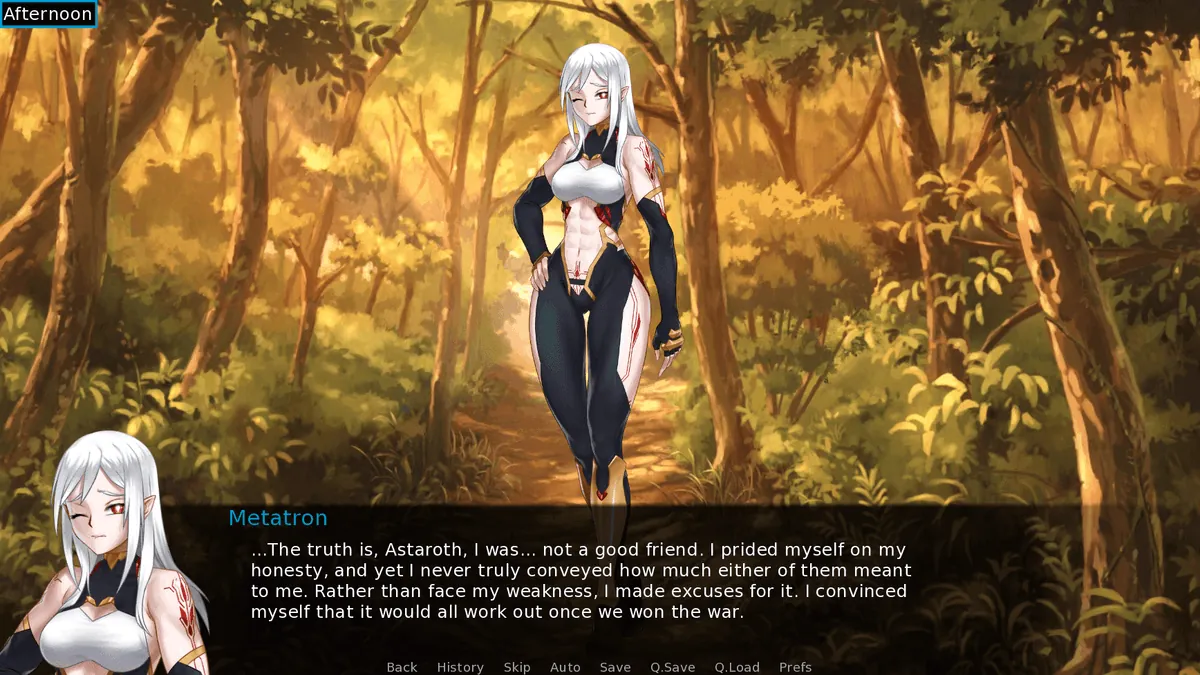
Demon Boy review
Master the mechanics, relationships, and choices in this immersive adult fantasy experience
Demon Boy stands out as a distinctive adult-themed interactive experience that combines rich storytelling with engaging gameplay mechanics. Unlike traditional visual novels, this game puts you in control of a complex narrative where your decisions genuinely shape the story’s direction. Whether you’re exploring the supernatural world, managing relationships with multiple characters, or navigating moral dilemmas, every choice carries weight. This comprehensive guide breaks down the core mechanics, relationship systems, and strategic approaches that make Demon Boy a compelling experience for players seeking depth and meaningful player agency in their gaming.
Core Gameplay Mechanics: How Demon Boy Sets Itself Apart
Let me tell you about the time I thought I had my Demon Boy playthrough all figured out. I was charming, heroic, and I’d saved up a tidy stash of Soul Sparks for a big romantic moment. Then, during a tense negotiation with a guild leader, I chose a sarcastic retort instead of a diplomatic one. Seemed harmless, right? Two in-game days later, that same guild leader sent assassins to ambush me in a dark alley, draining my resources and forcing me to miss a crucial nighttime event with another character. My perfect playthrough was in shambles. That’s the magic—and the brutal beauty—of Demon Boy gameplay mechanics. This isn’t a passive story you watch; it’s a living world you navigate, where every decision sends ripples through the narrative pond.
The genius of Demon Boy lies in how its systems are not isolated features but interlocking gears in a magnificent clockwork of consequence. To truly master this immersive adult fantasy, you need to understand the core machinery driving your experience. Let’s pull back the curtain. 😈
The Decision-Making System: Why Your Choices Matter
At the heart of Demon Boy is a branching narrative system so responsive it feels almost sentient. Forget the illusion of choice found in many games; here, your selections are the architects of your destiny. This is primarily driven by an intricate dialogue tree system that goes far beyond picking “good” or “evil” responses.
Think of conversations as tactical engagements. Every character has their own motivations, secrets, and vulnerabilities. Your words are your tools to probe, persuade, or provoke. The game masterfully showcases how player choices consequences are immediate and long-term. A throwaway comment in Act I can become a pivotal plot point in Act III.
Pro Tip: Pay attention to character bios and previous conversations. An option that seems rude might actually be a playful jab an old friend would appreciate, unlocking unique dialogue.
Let me give you a concrete example from my own adventures. Early on, you meet Kaelen, a proud but insecure warrior captain. You find him training alone, frustrated with his form.
-
Dialogue Choice A (Compliment): “Your technique is impressive. The precision in your footwork is unlike anything I’ve seen.”
- Consequence: Kaelen’s posture straightens. He thanks you, revealing a hidden insecurity about living up to his father’s legacy. This moment of vulnerability opens an entirely new story branch later where he seeks your counsel on personal matters, eventually making him a fiercely loyal ally who may intervene to save you in a critical battle.
-
Dialogue Choice B (Mock gently): “Struggling to keep up? That last swing would have missed a barn door.”
- Consequence: Kaelen scowls, taking it as a challenge. He becomes competitive, and your relationship becomes a rivarly. This unlocks a different branch focused on sparring and mutual one-upmanship, leading to unique quests where you compete in tournaments. He’ll still fight alongside you, but his motivations are rooted in proving his superiority, not loyalty.
-
Dialogue Choice C (Ignore/Dismiss): “Don’t you have patrols to manage?”
- Consequence: You shut down the interaction. Kaelen marks you as arrogant or disinterested. This path closes his personal questline entirely. Later, during a council vote, he may oppose your proposals or withhold crucial support, making a major political objective much harder to achieve.
See the difference? The dialogue tree system isn’t just about flavor text; it’s the primary interface for shaping the world. Words become actions, and actions forge your path through the game’s rich tapestry. This depth ensures that no two playthroughs of Demon Boy are ever the same, making the branching narrative system its most compelling feature.
Resource Management: Soul Sparks and Corruption Meters
While your words shape relationships, two key resources govern your ability to influence the world and yourself: Soul Sparks currency and the Corruption Meter system. Managing these is the strategic layer that separates casual players from true masters of Demon Boy gameplay mechanics.
Soul Sparks: The Currency of Influence
Think of Soul Sparks as the tangible echo of your actions. You earn these glowing fragments by:
* Completing quests and solving environmental puzzles.
* Achieving key narrative milestones (e.g., reconciling two feuding factions).
* Making significant, heartfelt connections with characters.
You spend Soul Sparks to create pivotal moments. Want to share a magical, intimate scene with a love interest that deepens your bond? That costs Sparks. Need to bribe a guard to look the other way, or donate generously to a village to secure their future allegiance? That’s Spark-driven. It forces you to prioritize. You might have to choose between unlocking a character’s tragic backstory or funding a rebellion’s supplies. This scarcity makes every expenditure meaningful and ties the Soul Sparks currency directly into the branching narrative system.
The Corruption Meter: Your Moral Compass
If Soul Sparks are your external currency, the Corruption Meter is your internal ledger. This isn’t a simple “good vs. evil” bar. It’s a nuanced spectrum between Light and Dark that subtly tracks the moral weight of your journey. Your alignment shifts based on how you achieve your goals, not just the goals themselves.
- Light Alignment trends grow from acts of compassion, mercy, sacrifice, and upholding promises. This path may make certain violent solutions unavailable, but it can inspire unwavering loyalty, open peaceful resolutions, and attract allies who value honor.
- Dark Alignment trends are fueled by ambition, deceit, manipulation, and embracing ruthless efficiency. This path unlocks powerful, forbidden abilities and intimidating shortcuts, but it can erode trust, turn allies into fearful subordinates, and attract dangerous, opportunistic followers.
The Corruption Meter system is brilliant because it rarely judges you. Choosing a “Dark” option to threaten a corrupt official might bring swift justice to a town. A “Light” option to spare a vicious foe might allow them to return and harm others. The system records your choices consequences, affecting how characters perceive you, the dialogue options available, and, most importantly, which of the game’s multiple ending sequences you unlock. Your moral journey is uniquely yours.
To see how these core systems interact, let’s look at them side-by-side:
| Core Mechanic | Primary Function | Direct Impact on Gameplay & Narrative |
|---|---|---|
| Dialogue Tree System | Player expression & character relationship building | Determines immediate NPC reactions, unlocks/hides quest branches, and reveals world lore. |
| Branching Narrative System | Story architecture & consequence simulation | Weaves all player choices into a coherent, custom plot leading to multiple unique endings. |
| Soul Sparks Currency | Resource for pivotal narrative actions | Gates major relationship milestones and critical world-altering decisions, forcing strategic prioritization. |
| Corruption Meter System | Moral alignment tracker | Influences NPC loyalty, unlocks specific abilities/endings, and alters available dialogue paths based on reputation. |
| Time Cycle System | Pacing & opportunity cost manager | Creates constant meaningful choices about how to spend each day, driving replayability and strategic planning. |
Time Cycles and Pacing: Mastering the Day-Night System
This is where all the other systems meet reality: the relentless tick of the clock. Demon Boy gameplay mechanics introduce a brilliant layer of strategy through its time management Demon Boy approach. Each day is divided into six blocks: Morning, Afternoon, Evening, and three Night phases. Every meaningful action—traveling across the city, investigating a clue, deepening a relationship—consumes one of these blocks.
This isn’t just a cosmetic day/night cycle; it’s the engine of pacing and priority. You cannot do everything in a single playthrough. Do you spend your afternoon helping the blacksmith with a personal errand to earn his discount (and some Soul Sparks), or do you research the ancient demonic ritual in the library to prepare for an upcoming threat? Do you use your evening to share a drink with a potential ally, or to patrol the city walls looking for clues about the assassin’s guild?
The player choices consequences here are felt in missed opportunities. If you don’t visit the haunted marketplace at the exact right night phase, the mysterious ghost vendor won’t appear, and you’ll miss out on a unique artifact. If you’re late to a secret meeting because you got caught up in a side quest, the meeting might end disastrously without your intervention.
Personal Insight: On my second playthrough, I focused entirely on one character’s questline. I blew off other commitments to be available for their every event. The payoff was a deeply romantic and profound ending with them… but I later discovered I’d missed an entire faction’s rebellion plot and a major city had fallen into ruin because I wasn’t there to help. The game doesn’t pause the world for you.
Mastering time management Demon Boy is about understanding cause and effect. That “cause and effect” is literal. From the search results: stealing from the royal vault doesn’t just make a guard dislike you; it triggers a series of events where elite assassins are hired to track you down, consuming your future time blocks as you deal with the fallout. Conversely, saving a village from bandits doesn’t just earn you gratitude; it gains you steadfast allies who may provide safe haven or crucial information later, saving you precious time.
This constant, meaningful juggling act—balancing relationship building, quest progression, resource gathering, and personal goals against the irrefutable march of time—is what makes Demon Boy an immersive experience rather than just a game. Your schedule is a reflection of your character’s priorities, and the world moves on with or without you. ⏳
When you synthesize these systems—the profound dialogue tree system, the consequential branching narrative, the strategic Soul Sparks currency, the defining Corruption Meter system, and the demanding time management Demon Boy framework—you begin to play not just in the world, but with it. You learn to see the connections, to plan your social and strategic moves like moves on a chessboard, and to embrace the beautiful, often heartbreaking, weight of your decisions. This intricate dance of mechanics is what transforms your personal journey through Demon Boy from a simple story into your legendary tale.
Demon Boy delivers a sophisticated gaming experience that rewards thoughtful decision-making and strategic planning. The interconnected systems of relationship management, corruption tracking, time cycles, and character progression create a world where your choices genuinely matter. Whether you’re pursuing specific romance paths, exploring hidden secrets, or experimenting with different character builds, the game offers substantial replayability and meaningful player agency. The depth of character development and the nuanced moral choices presented throughout your journey make Demon Boy a standout title for players seeking immersive, consequence-driven narratives. As you embark on your own playthrough, remember that the most rewarding experiences come from genuine engagement with the game’s systems rather than attempting to optimize every decision. Take time to explore, experiment with different approaches, and discover how your unique choices shape your personal version of this dark, compelling story.