
Randel Tales
Play Randel Tales
Randel Tales Screenshots









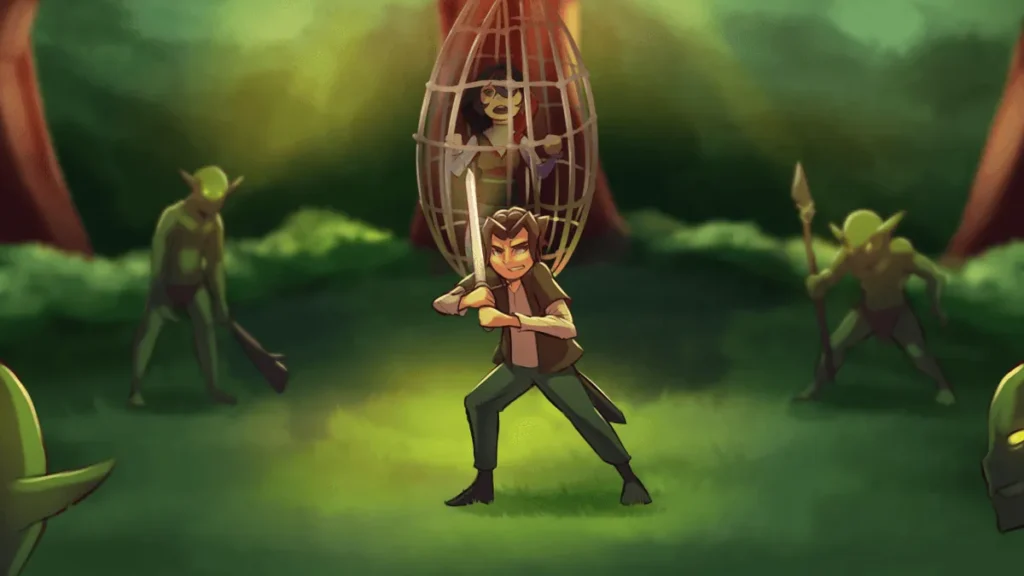






Randel Tales review
A deep dive into the mechanics, narrative choices, and artistic elements of this indie adventure title
Randel Tales stands out as an indie adventure game that combines engaging storytelling with interactive mechanics. This comprehensive guide explores what makes the game unique, from its character-driven narrative to its stat-based progression system. Whether you’re curious about the gameplay mechanics, character relationships, or the overall experience, this article breaks down everything you need to know about Randel Tales. Discover how this indie title manages to deliver meaningful choices, memorable characters, and surprising emotional depth that keeps players invested throughout their journey.
Gameplay Mechanics and Progression System
Let me tell you about my first hour with Randel Tales—I was utterly lost. 🫠 I’d just created my character, stepped into this beautifully painted world, and was immediately handed a handful of Stat Allocation Points with minimal guidance. I stared at skills like Arcana, Hunting, and Persuasion, paralyzed by choice. Should I specialize? Should I spread myself thin? The game wasn’t telling, and my first few attempts felt… wasteful. This initial confusion is a rite of passage for many players, but it’s also where the magic of Randel Tales gameplay mechanics begins to reveal itself.
This chapter is your guide through that fog. We’re going to break down the Randel Tales stat system, demystify those tense skill checks and testing moments, and show you how every dialogue option and academy exam shapes your unique journey. By understanding these systems, you move from being a passive participant to the architect of your own adventure.
Understanding the Stat Allocation System
At the heart of character progression in Randel Tales lies a deceptively simple system. You earn Stat Allocation Points (SAPs) primarily through leveling up and completing significant story beats. These points are your currency for improving seven core skills: Arcana, Hunting, Medicine, Persuasion, Stealth, Strength, and Wit.
The initial confusion, I found, stems from the game’s quiet philosophy. Unlike RPGs that scream “MAKE A BUILD!”, Randel Tales treats stats less as combat numbers and more as facets of your character’s personality and upbringing. Putting points into Hunting isn’t just about dealing more damage to beasts; it’s about understanding forest ecosystems, tracking clues in the mud, and knowing which plants are safe to eat. This is the first lesson in how to allocate points in Randel Tales: think narratively, not just numerically.
My personal case study was a disaster-turned-triumph. On my first playthrough, I dumped points into Strength and Arcana, thinking I’d be a battle-mage. I quickly hit walls in social scenarios and missed subtle environmental clues. The game didn’t stop me, but it made those gaps painfully clear. On my second run, I focused on Wit and Persuasion, creating a silver-tongued scholar. Suddenly, entire dialogue trees opened up, letting me talk my way out of fights I previously had to brawl through. The Randel Tales stat system doesn’t have “wrong” choices, but it profoundly shapes your experience.
Here’s a practical breakdown to help you visualize your options:
| Skill | Primary Purpose | Recommended Allocation Strategy |
|---|---|---|
| Arcana | Understanding magical phenomena, deciphering ancient texts, identifying enchanted items. | Invest early if you want to engage deeply with the world’s lore and magical puzzles. 15-20 points by mid-game unlocks crucial insights. |
| Hunting | Survival in the wild, tracking, identifying monsters, resource gathering. | Essential for a “ranger” playstyle. 10-15 points is a great support skill for any build, allowing for self-sufficiency. |
| Medicine | Healing efficiency, crafting potions, diagnosing ailments, first aid narratives. | Often overlooked! 10+ points can save vital resources and open unique, compassionate solutions to problems. |
| Persuasion | Influencing NPCs, negotiating deals, avoiding conflict, gaining trust. | The “talker’s” best friend. Prioritize if you dislike combat. Its success is highly dependent on specific narrative contexts. |
| Stealth | Moving unseen, eavesdropping, picking locks, avoiding detection. | All-or-nothing. Either invest 15+ for a stealthy approach, or ignore it. Low investment rarely pays off. |
| Strength | Physical challenges, intimidating foes, carrying capacity, melee combat. | The direct approach. Great for players who prefer clear, physical solutions to obstacles. Synergizes with Hunting. |
| Wit | Solving puzzles, noticing details, academic recall, clever dialogue options. | The “detective” stat. Possibly the most versatile. High Wit makes the world feel more interactive and layered. |
The key takeaway? Specialization is powerful, but balance is safe. If you’re unsure on your first run, a spread of 10-12 in Wit, Persuasion, and one combat skill (Hunting or Strength) will let you experience a wide swath of the game’s Randel Tales gameplay mechanics. Remember, you can’t respec, so each point feels meaningful—a true commitment to your character’s identity. 🤔
Skill Checks and Academy Testing Mechanics
This is where your stat investments are put to the test, literally and figuratively. Randel Tales employs a seamless check system. During conversations or exploration, a skill icon might appear next to a dialogue option or an interactable object. This isn’t a simple pass/fail gate; it’s an opportunity. Succeeding unlocks new paths, extra information, or elegant solutions. Failing rarely blocks progress—it just takes you down a different, often more challenging, road.
Early on, these checks are frequent, almost tutorial-like. You’ll use Stealth to sneak past a guard for a shortcut, or Medicine to properly bandage a wound for a better reward. However, as the narrative gains momentum, these visible checks become rarer. This pacing is intentional but can feel like the mechanics are receding. In my view, this is one area where the Randel Tales gameplay mechanics could have been deepened. The checks become more subtle, integrated into the narrative itself rather than flagged by UI. You need to infer that your high Arcana skill is why your character suddenly understands a ritual, or that your low Persuasion is the reason an NPC remains distrustful.
Then there’s the academy—a brilliant concept with untapped potential. The Randel Tales academy mechanics revolve around testing. You’ll sit exams that require you to recall information from your in-game Monster Book (a bestiary you fill by encountering creatures) and lore from conversations with professors. 🧠
Personal Insight: I failed my first botany exam spectacularly because I’d been skipping dialogues with the herbology teacher to chase main quests. The game didn’t remind me to study; it expected me to be engaged. Passing these tests grants prestige, special items, and unique acknowledgments from peers and faculty. It’s a superb way to make the player feel like a real student.
However, the potential here is massive. Imagine practical exams where you have to Hunt a specific creature using your book’s knowledge of its weaknesses, or Arcana tests that are interactive puzzles rather than multiple-choice quizzes. The existing academy mechanics are a great foundation for role-playing, but they leave you wanting more complex, systemic challenges that truly leverage the skill checks and testing framework the game builds.
Character Development Through Choices
If stats are your character’s capabilities, then choices are their character. This is the soul of the game. Randel Tales choice consequences are not about cartoonish “good vs. evil” meters. They are about shaping relationships, defining your reputation, and locking or unlocking narrative branches in ways that may not be apparent for hours.
The progression pacing is crucial here. The game starts slowly, deliberately. You attend classes, run errands in town, and befriend fellow students. This isn’t filler—it’s foundational work. Every chat, every favor, every small decision is weaving the web of your story. Helping a shy classmate might mean they vouch for you later. Choosing to report a found item instead of keeping it builds a reputation for honesty that a key NPC references much later. The slow burn makes the payoff incredibly satisfying.
Let’s talk about major divergences. Without spoilers, a mid-game crisis often forces you to pick a side between two factions. This isn’t a binary “join Team A or Team B.” Your choice is filtered through your stats and previous actions. My persuasive, high-Wit character was able to forge a tense temporary alliance, a option never presented to my brute-force Strength build. The Randel Tales stat system and your narrative choices are in constant dialogue, and the consequences feel earned, not random.
Here are some common beginner mistakes I made (so you don’t have to):
- Ignoring the Monster Book: It’s not just flavor text! 📖 Information here is vital for academy tests and can provide tactical advantages in encounters.
- Hoarding Allocation Points: Don’t sit on a pile of SAPs for a “perfect” moment. Invest them to unlock checks and options now. The early-game is where these tools are most useful for opening up the world.
- Playing “Optimally”: This is the biggest trap. Trying to see every check succeed or get the “best” outcome kills the soul of the game. Failure often leads to the most memorable, character-defining moments. Let your flawed hero be flawed!
- Rushing the Main Quest: The side characters and academy life are the main quest. The central plot gains all its emotional weight from the relationships you build in those “slow” early hours.
- Underestimating Non-Combat Stats: Medicine and Wit can solve problems that Strength only escalates. A diversified character progression in Randel Tales often leads to a richer, more controllable narrative.
In the end, the genius of Randel Tales is in how it marries these systems. Your stat allocation determines what you can do. The skill checks present moments to use those abilities. The academy tests your engagement with the world. And your choices, informed by all of the above, write a story that is uniquely yours. The consequences aren’t about punishment or reward; they’re about validation. The game remembers who you chose to be, from your biggest moral stand to the way you allocated your very first point, and it weaves that identity into the fabric of its world. That’s not just a gameplay loop; it’s storytelling magic. ✨
Randel Tales emerges as a compelling indie title that successfully blends engaging gameplay mechanics with meaningful narrative choices and character-driven storytelling. Despite some technical inconsistencies and underutilized mechanics, the game delivers genuine emotional moments and memorable character interactions that resonate with players. The stat-based progression system, while initially confusing, offers meaningful character development opportunities, and the consequences of player choices create a sense of genuine agency throughout the experience. The artistic presentation, though inconsistent due to its extended development cycle, showcases moments of genuine quality that enhance the overall experience. For players seeking an indie adventure with depth, character investment, and surprising emotional weight, Randel Tales offers a unique experience that transcends typical expectations. Whether you’re drawn to the intricate gameplay systems, the character relationships, or the narrative surprises, Randel Tales proves that indie games can deliver complex, satisfying experiences that rival larger productions.