
TableTop BornStar
Play TableTop BornStar
TableTop BornStar Screenshots












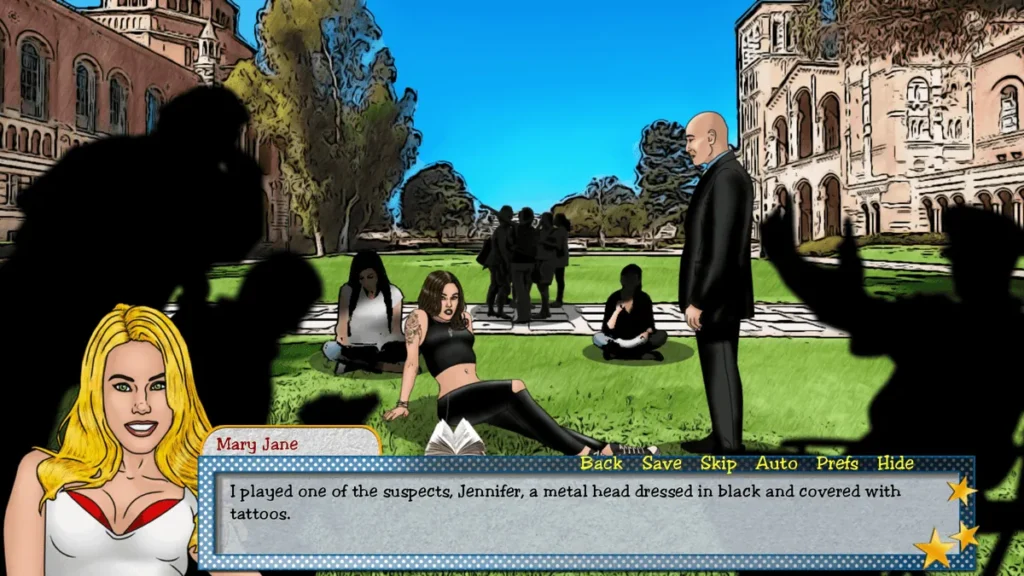
TableTop BornStar review
Dive into 1999 Showbiz Corruption with Cards and Choices
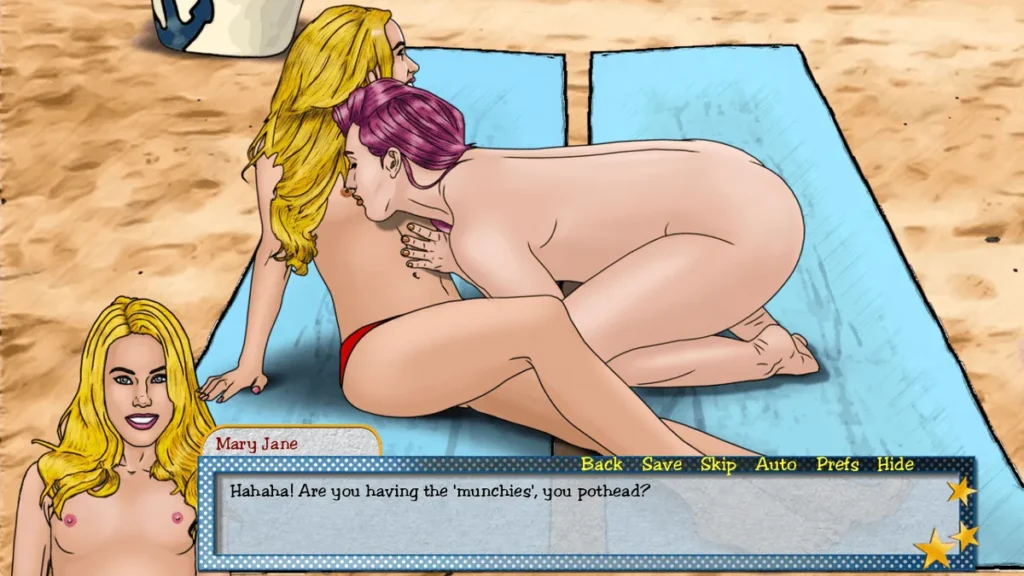
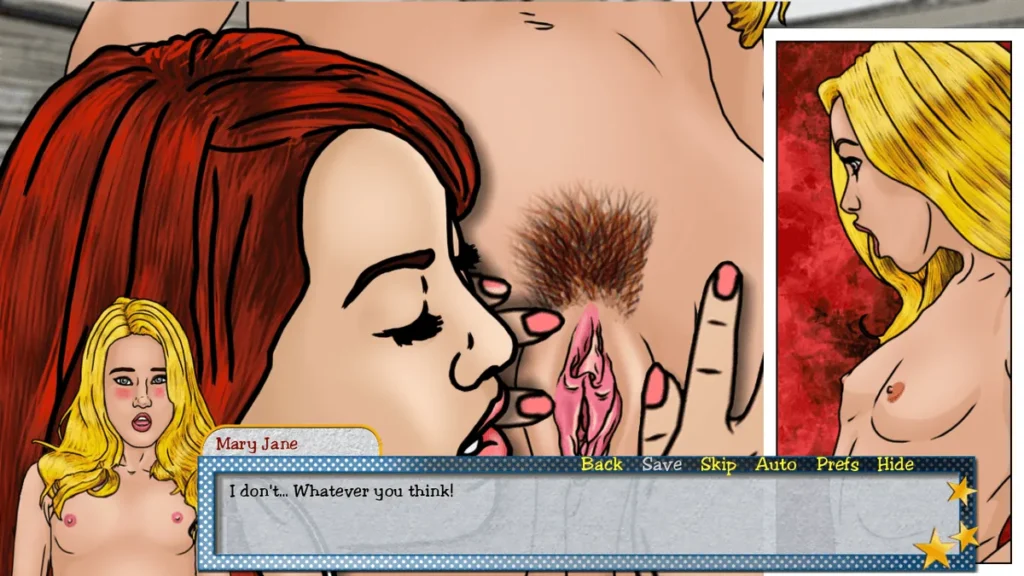
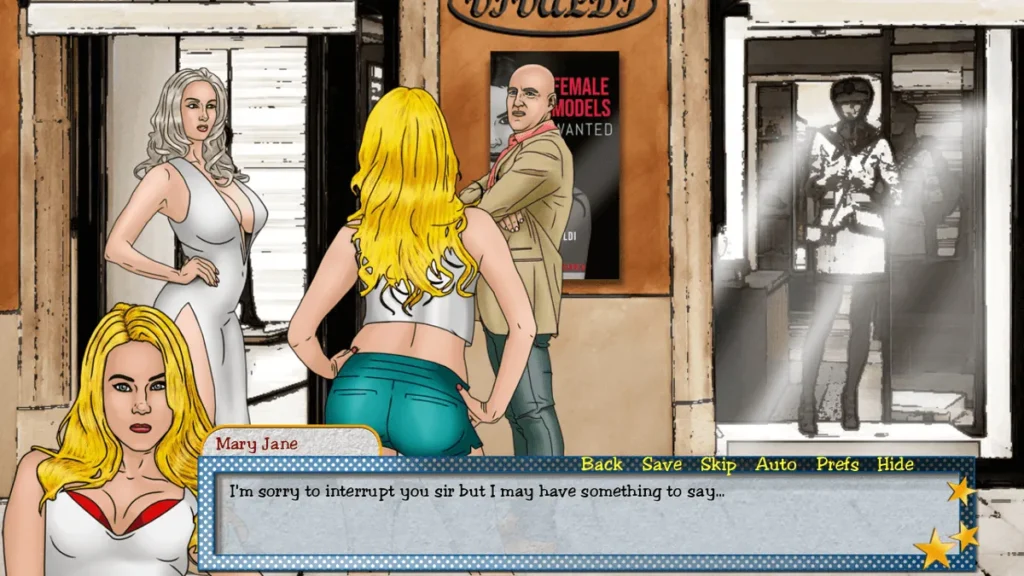
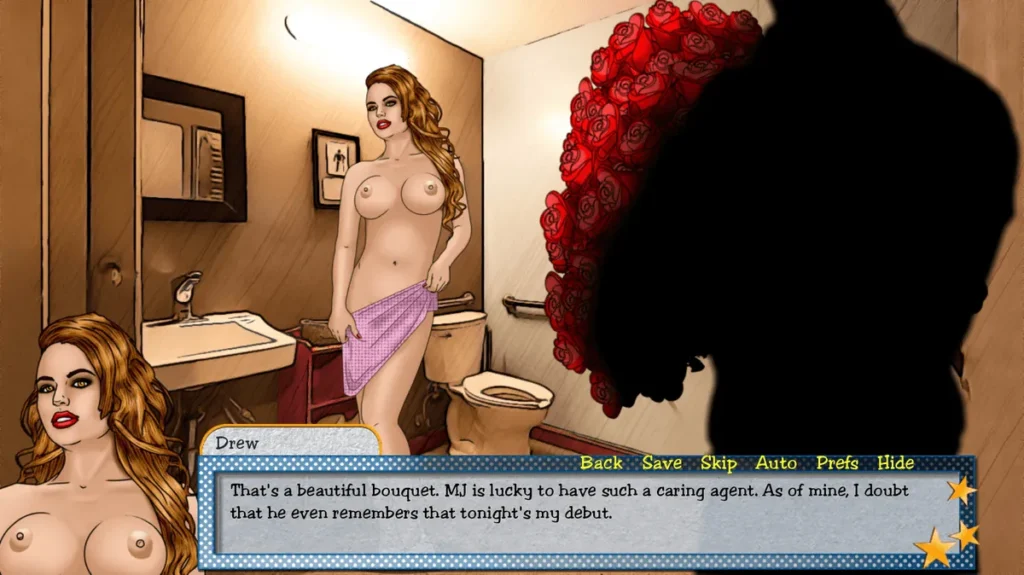
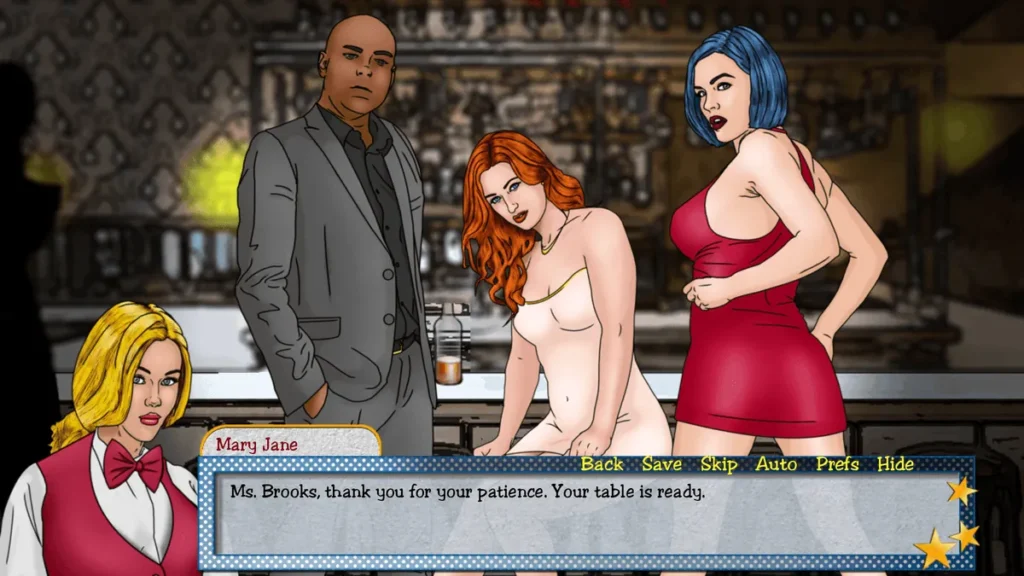
Imagine stepping into the shadowy underbelly of 1999 Hollywood as a washed-up talent agent under house arrest, rolling dice and playing cards to shape a young actress’s fate in TableTop BornStar. This gripping adult visual novel blends tabletop strategy with tantalizing choices, where corruption lurks around every corner. I first stumbled upon it during a late-night scroll, hooked by its unique mix of risk and reward—much like my own wild bets in indie gaming circles. Whether you exploit dreams for gain or guide genuinely to stardom, every decision crafts multiple endings. Ready to uncover the glitz, glamour, and grit? Let’s roll the dice on this immersive adventure.
What Makes TableTop BornStar Gameplay Uniquely Addictive?
So, you’ve heard the buzz about this gritty tabletop experience that throws you headfirst into the neon-soaked, morally bankrupt underbelly of 1999 Hollywood. You’re probably wondering: what’s the big deal? What is it about TableTop BornStar gameplay that has people obsessively shuffling cards and sweating over dice rolls, session after session? 🎭
Let me tell you, it’s not just another game. It’s the perfect, intoxicating cocktail of narrative tension and tactical decision-making. You don’t just play; you inhabit the role. One moment you’re strategizing like a chess master, the next you’re facing a moral choice in TableTop BornStar that genuinely makes you pause and question your own ethics. I remember my very first session, convinced I’d be the one “good” agent in town. Then a crucial dice roll for a simple audition failed spectacularly, Mary Jane’s hope dimmed, and a sleazy producer slid a “solution” across the table in the form of a Corruption card. The path of least resistance suddenly looked very, very dark. That’s the magic. That’s the addiction.
### How Dice and Cards Drive Hollywood Drama
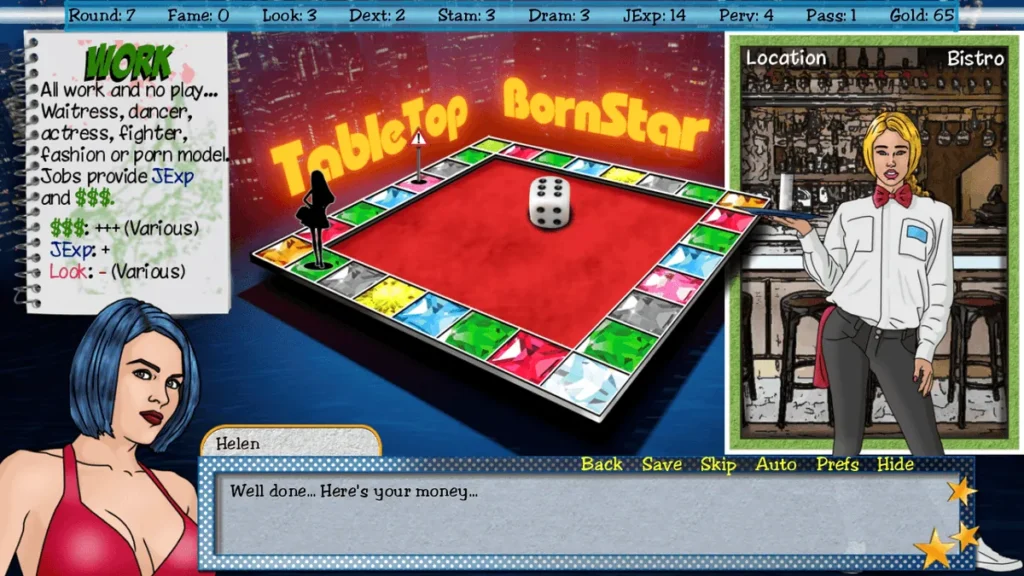
At its pulsating heart, how to play TableTop BornStar is a masterclass in blending chance with control. This isn’t about mindless rolling; it’s about resource management and risk assessment. The dice and cards mechanics work in a brilliant, tense symbiosis.
Think of the dice as the raw, unpredictable reality of Tinseltown. You’re rolling for everything from auditions and photo shoots to navigating paparazzi scandals. A high roll might land Mary Jane a coveted role, while a low one could see her flub her lines in front of a powerful director. This is where your cards come in. Your hand is your agency’s influence, your prepared strategies, and yes, your shady connections. You can play a “Second Chance” card to reroll a disastrous audition die, or a “Media Spin” card to turn a scandal into publicity. But every card played is one less resource for the next crisis.
The real strategic tabletop decisions come from knowing when to intervene. Do you burn your powerful “A-List Mentor” card to guarantee success on a minor modeling gig, or save it for a watershed moment later? The game constantly forces these cost-benefit analyses, mirroring the high-stakes gamble of real talent management.
To break down this dynamic core, here’s a look at how these tools shape your story:
| Mechanic | Role in Story | Strategy Tip | Risk Level |
|---|---|---|---|
| Dice Rolls | Represent chance, raw talent, and the unpredictable nature of fame. A single roll can open a golden door or slam it shut. | Never bank everything on one roll. Always have a contingency card or an alternative story path in mind. | High – Pure luck. |
| Resource Cards (Guidance, Connections) | Your skills and honest network. Used to improve odds, open legitimate opportunities, and protect Mary Jane’s well-being. | Hoard these. They are precious and often the only way to pursue a “clean” path to stardom. | |
| Corruption Cards (Exploitation, Deceit) | The fast track. These cards guarantee short-term success but apply permanent “Stain” tokens to Mary Jane’s journey. | Tempting, but use sparingly. Each one narrows the path to a truly positive ending and alters the story’s tone. | |
| Event Cards | The wild, narrative-driving forces of Hollywood. Sudden scandals, surprise callbacks, or manipulative offers you must react to. | Read the long-term implications. A “Lavish Party” event might offer a network boost now but could trigger a damaging event later. |
### Moral Choices: Exploit or Empower Mary Jane?
This is where TableTop BornStar gameplay transcends mechanics and becomes a profound roleplaying experience. Your talent agent roleplay isn’t just about climbing the career ladder; it’s about defining the human cost of that climb. Mary Jane isn’t a pawn; she’s a character with trust, fear, and ambition. Every decision you make either fortifies or fractures that relationship.
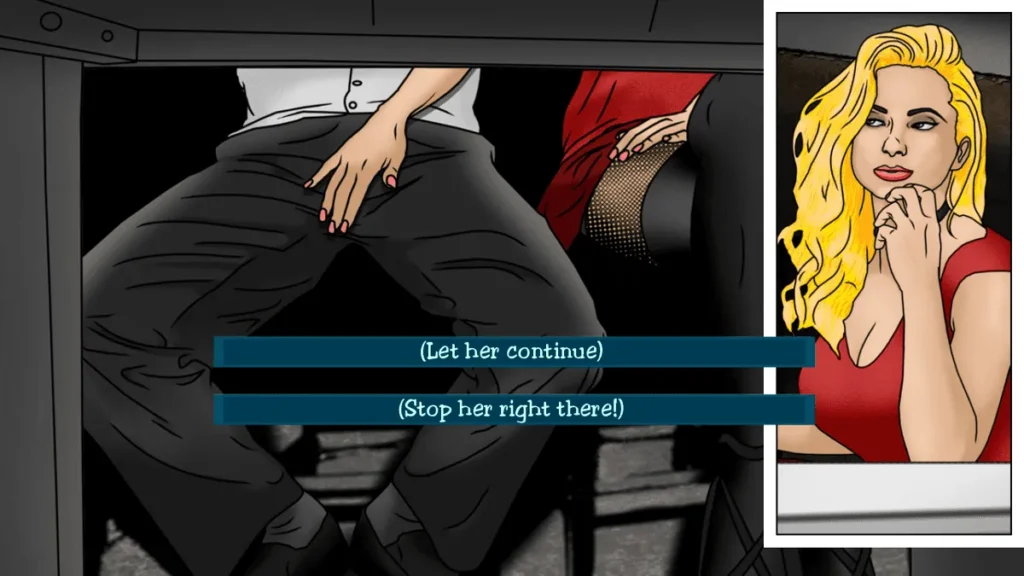
The moral choices in TableTop BornStar are rarely simple good vs. evil. They’re pragmatic, messy, and hauntingly persuasive. A powerful director offers her a starring role, but only if she attends a “private dinner.” You have the “leverage” to pressure her into it for the “good of her career.” Or, you can choose to fight it, burning your political capital and likely losing the role. The game masterfully frames exploitation as a practical shortcut and genuine care as a difficult, uphill battle.
I once chose to hide a minor health issue from a producer to secure a job, thinking I was protecting her opportunity. The job was a success, but when Mary Jane found out I’d lied, the look of betrayal on her card portrait… it changed the entire dynamic. She stopped sharing information freely, making my job harder. The game remembers. Your strategic tabletop decisions are always also human decisions. Do you build a star on a foundation of dignity, or on a web of compromises? Your answer writes a completely different story.
### Multiple Endings That Keep You Coming Back
The crown jewel of the TableTop BornStar experience is its breathtaking replayability. This isn’t a game you “win” once and shelve. You might guide Mary Jane to become an Oscar-winning icon known for her integrity, a shattered casualty of the system, a ruthless industry player who out-corrupted her corrupters, or anything in between. The multiple endings in BornStar are direct, organic consequences of every rolled die and every card played.
My first playthrough, as I mentioned, spiraled into a corruption path. I was so focused on “success” at any cost that Mary Jane ended up a wealthy, deeply unhappy socialite, forever trapped in the gilded cage I helped build. It felt hollow. I immediately set up the game again, determined to do better. This time, I embraced failure. I let her lose roles, took smaller gigs, and used my cards to build her confidence rather than her fame. The journey was slower, tenser, but the ending—where she walked away from a toxic mega-contract to start her own indie studio—was infinitely more satisfying. I had earned that feeling.
This variance is why the dice and cards mechanics are so genius. Because chance is involved, no two paths are identical, even if you make similar moral choices in TableTop BornStar. A failed roll might force you into a corner you’d never have chosen, opening a narrative branch you didn’t know existed.
Pro Tip: Save your “Wild Card” or “Mulligan” resources for critical story junctions, not routine checks. The most impactful strategic tabletop decisions often come from having the ability to force one key moment to go your way.
To truly master how to play TableTop BornStar, you have to embrace its dual nature. Plan like a strategist, but feel like a human. Manage your hand, but listen to the story. It’s this perfect storm of mechanic and meaning that makes you come back, roll after roll, choice after choice, to see what story you’ll tell next.
Frequently Asked Questions
What happens if I fail a dice roll?
Failing a roll rarely means “game over.” It pushes the story in a new, often more challenging direction. It might close one opportunity but open another, force a difficult moral choice, or introduce a new obstacle that requires a different strategy.
Can I get a “good” ending while using some Corruption cards?
Yes, but it becomes exponentially harder. Each Corruption card applies a lasting negative effect that can lock out the most positive outcomes. The endings exist on a vast spectrum, and a few compromises might lead to a bittersweet or ambiguous conclusion rather than a purely tragic one.
How long does a typical game session last?
A single playthrough to one ending typically takes 2-3 hours. However, the multiple endings in BornStar are designed for repeated sessions, and the emergent story makes each game feel fresh.
Is the game purely competitive or can it be cooperative?
While you are the sole agent making decisions for Mary Jane, the game has a strong cooperative element with the game’s narrator (if you have one) who reacts to your choices. It can also be a fantastic shared experience for a group discussing the moral choices together.
Do I need to be good at tabletop games to enjoy this?
Not at all! If you enjoy compelling stories, meaningful choices, and tense drama, you’ll love it. The dice and cards mechanics are easy to learn, and the depth comes from their narrative impact, not complex rules.
In TableTop BornStar, the thrill of dice rolls, card plays, and gut-wrenching choices in 1999 Hollywood creates an unforgettable ride through fame’s corrupt side. From guiding Mary Jane’s rise—or fall—to unlocking diverse endings, it’s a game that mirrors life’s high-stakes gambles, much like my own tales of risky career pivots. You’ve got the inside scoop on its unique blend of strategy and sensuality now. Don’t just read about it—download TableTop BornStar today, fire up a new save, and see where your decisions take you. Who knows, your next roll might crown you the ultimate showbiz survivor.